
BLOG
Fave Reads of 2019 (#Bestof2019)
I read a bit more poetry this year but still would like to get it full on up to about one-quarter, at least, of the books I read for the year. Nicole Sealey’s August Poetry challenge almost helped with that but I had to bow out for more (you guessed it) work-related reading. Much of which was divine and you’ll find listed below. How much did you read for 2019? What are you stoked for in 2020? I’ve read one or two coming out next year so it’s going to be a stupendous time for books (and political anarchy which may also be in book form!).
It’s that time of year again folks! I got my act together to actually get this (and last year’s list) posted in a timely manner. How lovely is that?
This was a busy reading year and, somewhat regrettably, I have not always had time to read for pleasure. Much was work-related (not a bad thing at all!), but it does put more of the titles I’m eager to read and support (with ratings, since I bought most of them and they’ve been lounging in my stacks) soon after publication. But what matters is the journey not the time right? (Or so I keep telling myself.)
I read a bit more poetry this year but still would like to get it full on up to about one-quarter, at least, of the books I read for the year. Nicole Sealey’s August Poetry challenge almost helped with that but I had to bow out for more (you guessed it) work-related reading. Much of which was divine and you’ll find listed below. How much did you read for 2019? What are you stoked for in 2020? I’ve read one or two coming out next year so it’s going to be a stupendous time for books (and political anarchy which may also be in book form!).
Cuicacalli/House of Song by ire’ne lara silva (2019): When I say this poetry collection packed a punch I mean it. I heard Silva recite some of the poems in Cuicacalli at a festival in Texas we were a part of. So enamored I bought the book and it took a month for me to read it. In transit I found myself so in awe I had to immediately post my admiration for this title. As I said on Goodreads these poems cut deep because of the sharpness of the words Silva uses. Survival. Family. Loss. Love. Identity. This is a collection I teach for a reason. Women especially and those who have experienced grief in various iterations can truly feel how Silva captures this and lays you down gently after. SO good!
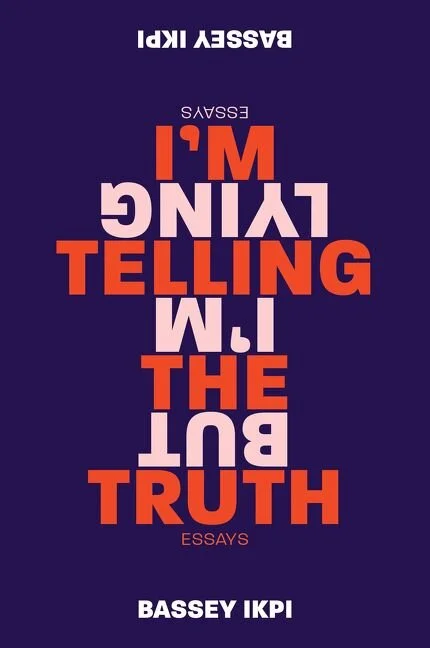
I’m Telling the Truth But I’m Lying by Bassey Ikpi (2019): Been a big debut year! And that includes Bassey Ikpi’s I’m Telling the Truth, which hit the NYT bestseller list deservedly. Ikpi’s background as a poet really does make this standout in the rhythm and cadence she builds. There’s momentum in these essays as well as a rawness to letting others see that bipolar disorder is not easily described. She puts you in her body so you can see why this feels frantic and uncontrollable…because it is. If you haven’t read this one I encourage you to do so, and take your time with it.
Ordinary Girls: Memoir by Jaquira Diaz (2019): Diaz’s debut memoir was much lauded before it even hit shelves. This is because Diaz’s essays have been making a mark for the impactful writing she’s built. As she said it’s a story she had to get out of her because it kept resurfacing and to be this brutally honest in nonfiction is no easy feat (also see Ikpi’s book above). Diaz’s work is to be applauded as well as her candidness in the telling.
Pet by Akwaeke Emezi (2019): National Book Award finalist Pet is truly unique. Angels and demons? Creatures born from blood and paint? BFFs forever? Count me in for all of this! Emezi and I had spoken about the importance of friendships in stories, especially for young readers, and how that’s often not showcased. This is a big part of Pet (as well as New Kid and Watch Us Rise) which I think is why I took to these titles so much. Wanting to be good and do good and protect those we love is inherent, who couldn’t relate to that? In Pet, Emezi raises the stakes yet never loses the emotional impact.
Dominicana by Angie Cruz (2019): A much hyped book online, offline, and on TV—hey GMA Book Club—Angie Cruz’s latest novel takes you through many emotions as Ana’s journey is not only across land and sea, but internal when she experiences marriage and love (not necessarily with the same person), the harshness of responsibility, and the toll of immigration. This is not a preachy novel at all, it’s a completely immersive one. I couldn’t put it down so I dare you to once you pick it up.
Heed the Hollow by Malcolm Tariq (2019): I happened to pick up Tariq’s debut at a BEA party; I am so glad I did. Blackness, queerness, masculinity, and so much more is encapsulated in this collection. It’s been put in comparison with Jericho Brown and Danez Smith, but Tariq really does hold his own as those poets do as well. Savor this one as it’s meant to be savored.
When Aidan Became a Brother written by Kyle Lukoff, illustrated by Kaylani Juanita (2019): I don’t put picture books on my lists enough, but I read several a year. This book was one I bought several copies of: one for myself and others for those I knew with little ones! The story is so lovely and deep. It’s the perfect way to introduce kids to understanding not to make assumptions and to allow children to be themselves without judgment or dismissal. I loved the family dynamic of how everyone learned together. A HUGE fave and a BIG recommendation.
The Girl Who Drank the Moon by Kelly Barnhill (2016): Yes, I am late to the Newbery party on this one. I had it in my stacks for a bit and am so glad I took a moment to read it. I loved Barnhill’s style in this one, how she went about narration, how she didn’t hold back in the difficulties of raising a child with (unlimited) powers, and the lengths that people in power will go to stay in power. At heart it’s a story about love in all ways and that pierces through the whole plot. I adored this book and it deserved the Newbery honor.
Red, White and Royal Blue by Casey McQuiston (2019): I read several romance books for a Publishers Weekly feature earlier this year and McQuiston’s debut, along with another listed below, were my FAVES! McQuiston’s is truly a rom-com through and through hitting all the notes with an initial love-hate turned love-love relationship between the First Son of the US and a Prince of England. Hijinks ensue when they’re thrust together for a PR conciliation tour and wow does this become one of the most heartwarming, funny, and deep romances I’ve had the opportunity to read. I need to get back into the genre. This one has been well hyped for a reason and I was one of those cheering it on.
Magical Negro by Morgan Parker (2019): I really really enjoyed Parker’s latest collection. The title alone had me sold but then I read it and woooo this is some deep stuff. Too much to encapsulate in the amount of space I have in this post. What I will say is she pulls no punches and holds nothing back. Her work not only fresh air but freshness. Don’t believe me? Read it for yourself.
Truly Madly Royally by Debbie Rigaud (2019): I read a bit of romance because I also got to read it for the Publishers Weekly feature on royal romance. I ended up gobbling it up in one evening because I just had to know how this would end. The coupling is great. The Black girl independence and her being desirable—by a prince by the way—is refreshing! The main character has goals, social justice goals! She doesn’t need a man but dagnabbit if she doesn’t deserve to be treated well. This is the type of book I want more young Black girls to read and I think Rigaud did an amazing job showcasing this.
The Old Drift by Namwali Serpell (2019): The Old Drift is one of the longest books I read this year and it’s worth it! What Serpell does is take us from dark times to dark times spanning a couple centuries. There are no boundaries and reality includes folklore that works incredibly well in the world she divined. Speaking to her more about putting Zambia at the forefront of a historical, contemporary, and futurist story it feels like parts of Africa should inherently be part of every futurism read.
New Kid by Jerry Craft (2019): I was lucky to get an advance copy of Jerry Craft’s latest book and it’s one of my faves this year for a reason: plenty of heart and humor which isn’t always easy to balance period, especially for young readers. Jerry mentioned he actively wanted to make something lighthearted that also spoke to what Black kids deal with when you’re “out of your element.” If you’re from NYC many of these jokes will land extra hard. I recommend this one to everyone’s kids! It’s been wracking up some great praise.
How to Sit by Tyrese Coleman (2018): As I said on Twitter I am upset I didn’t get to read this book when it first came out. A PEN Award finalist, deservedly, Coleman’s debut mixture of stories and essays (you don’t know which is which) is fascinating, relatable, and expertly crafted, as well as succinct! It’s a great study in how to play with form and subject. Add this to your shelves!
Severance by Ling Ma (2018): Ling Ma’s debut was one of the first books I’d read in 2019. I’d heard so much about it and usually when that happens I hedge on whether it’s really as good as everyone says—at least in my opinion. Turns out it was! Zombies or at least an apocalypse are my jam and the subtlety in this one was great. Not to mention the main character is a production editor, like myself, so I totally fell into the details of her mundane life while the world was actively going to hell. Don’t expect blood & gore but do expect to be creeped out.
Homie by Danez Smith (2020): As I keep saying, who knew I’d love a poem about trees?!? Smith’s latest quantifies them as a poet of multitudes! Language, geography, identity is all revealed throughout poems of relationships and growth, looking at the past and experiencing the present. These are sounding boards for deep observations along with clear dedications to the beauty of so much that encapsulates Blackness. The collection’s “real” name is My Nig, but out of respect, please refer to this as Homie and Homie alone.
Books I also thoroughly enjoyed this year include: Renee Watson & Ellen Hagan’s Watch Us Rise, Rion Amilcar Scott’s new collection The World Doesn’t Require You, Crystal Hana Kim’s If You Leave Me, Morgan Parker’s debut YA Who Put This Song On?, Long Live the Tribe of Fatherless Girls by TKira Madden, and Diversity Inc. by Pamela Newkirk.
Does (White) Privilege Need to Be Presented on The Page When it Comes to Contemporary Literature?
A friend handed me the new memoir The Rules Do Not Apply by Ariel Levy saying she thought I might like it. I had highly suggested Melissa Febos’ new memoirs Abandon Me thinking the same. I’d heard vague things about Levy’s book, more so due to the author’s status in the literature arena (she works at The New Yorker and before that New York magazine). Since she’s a writer for The New Yorker I figured I may dig it. I looked through the first chapter or so and then skimmed forward to get to the nitty gritty. Beyond my editorial comment of length, focus, and this being more material for a couple long-form essays than a full memoir, what turned me off immediately was the level of privilege present throughout.
The New Republic review by Charlotte Shane entitled “Ariel Levy’s Infuriating Memoir of Privilege and Entitlement” pretty much capped off my feelings very well, for the most part.
She doesn’t speak from inside one-size-fits-all feminine ambition but rather garden-variety white entitlement.
Yes, the white privilege irked me, a lot, but so did the cis-gender privilege from a woman who identifies as queer. She misgendered an ex who had transitioned to male. She made assumptions about their life and twisted whatever their mental state was with their gender, which may or may not be true in certain instances but I don’t necessarily need this narrator to take on those labels. I think Charlotte does a good job of noting that the white and socioeconomic privilege is a problem to read in that, it distances many of the readers. In seeing this book in print as is perhaps no one thought to mention this issue to Levy in the production phase, nor did they see it, neither did they care.
In a White, straight, cis, abled dominated industry, that is albeit “liberal” in many ways, publishing, as we know it, still has a long way to go in terms of true uniformity of recognizing privilege as well as being inclusive. These seem to be at opposite ends of the spectrum depending on whom you speak to. Going back to books and films that I enjoyed, even music, when revisiting the work there are things I notice, aspects of character, points of plot, issues in dialogue and voice that stand out to me because I know more now and I aim to look for issues (i.e., problematic content) because I’m being paid to. Not only is this my life as an editor but as a writer and it is colored by my being a woman of color. My observations are heightened to moments of conflict such as a man in my work place continually telling me to smile during a business meeting, or noticing how PoC co-workers may be terse in response to fellow PoCs but completely saccharine to white counterparts. It’s a point where we refuse to pronounce people by their right name let alone preferred gender pronoun (PGP) because it’s “so confusing” or too “inconvenient.” To notice these things is to take us a step further towards equality, to ignore or dismiss or remain ignorant keeps us in stasis if not reverting us back to what those before us saw not only behind-the-scenes but in their face because it was perfectly legal.
With that in mind, is it fair for us to take this new lens and look at the past in literature as well as the present and future of it expecting the authors and thereby narrators expound on the issues presented but also being aware of privilege? Hell yes. I read Fates and Furies by Lauren Groff soon after it was nominated for a National Book Award. I went in prepared to be let down by the fact that this was going to be a harangue of sorts in novel form about affluent, white, beautiful people with issues attributed specifically to them and not much else. Groff surprised me. For one, she admitted and showed the privilege of the white male character Lotto and also the struggles of his wife Mathilde who remade her life after not having much to begin with, especially in the way of love. They weren’t perfect in terms of looks or personalities but they had that je ne sais quo that garnered them a fan club and they could play a really good game. Within the first chapter Groff prefaced that this couple, in particularly Lotto, were white and privileged, and she didn’t hesitate to immerse readers in their life with strong writing but also by reminding me as reader that to be invested in this particular couple she had to run the gamut and also have people review their biases. Whether or not that meant things ended well you’d have to read. And while it isn’t a white privilege manifesto she did the favor, if not the necessity, of pointing out something that others were reading thereby bringing me further into this world instead of pushing me away from it. It ended up being one of my favorite reads of 2016.
One of the bigger struggles I’ve had with a linked story anthology I’ve been writing for longer than I care to say — definitely more than 5, 6, 7 years at this point — is one of the main characters: a white, well-off financially, good-looking, and intelligent man who is a doctor from a family of doctors. He is my polar opposite in any way that could be checked off on a Census survey. He is also someone people don’t seem to like. Not because he isn’t pleasant but because they cannot relate, or choose not to for reasons I respect, because he is everything that we are not. He has it all, so why, on a fundamental level, would his Black, working class wife (whom others better enjoy reading about, in that we see her struggles) be in love with him? I realized that to at least have some empathy for the most privileged of characters I needed him to reconcile with his privilege, not wholly because that’d be too easy and convenient, but in a way that lead others to see some sort of change with him. Also, I made him too perfect on the exterior that even if he did have somewhat of a broken interior it wasn’t enough of a balance in the fiction world. To make this guy who has a Black wife not necessarily teach him but show him and encourage him to notice that he has to grow up himself which, I’d hope, may not necessarily make him more likeable but readers would give him the benefit of the doubt with sticking with him for the bulk if not the entire story. Let’s be clear, this character is not the “bad guy,” but he’s representative of a larger issue many call out, and have always called out, and we need to face it, be it in media or in life.
I recall reading Eat, Pray, Love soon after it released due to hype. At the time, this was almost a decade ago, I could not quite articulate why I had issues with it. One of the biggest things that hit me was that the narrator, Elizabeth Gilbert, got paid to take her journey for enlightenment to get over her divorce and a relationship with a younger man. I just couldn’t connect as a young Black woman in a bad marriage working her butt off to make more money and move up the ladder in publishing. It definitely wasn’t the book for me at the time, but would it ever be? This is not a knock against Gilbert, it’s a knock against the industry that continues to celebrate these unremarkable (Shane’s words for Levy’s books) stories that are solidly written but seem so out-of-reach and out-of-touch for a good portion of people who will never have these opportunities. If this is what gets pushed through why do we not see more stories from other marginalized groups that are also “unremarkable” in their plot points and skillful in voice? It’s what also infuriates me about those white, straight, abled, and often male travelers who get to be the face of international exploration. They gain momentum on Instagram and Twitter, are interviewed on CBS This Morning for the fact that they decided to go see the world and how “the other half lives.” They receive praise, corporate ad deals, and currency for this when many of us will never have this opportunity to just go. Add to that many won’t feel safe enough to sojourn to various nations without being worried about our physical well-being as women, as transgender, as people of color/Natives, as Muslims, and so on. In fact it heralds back to the colonization of the United States that to travel and act as if you’re discovering something is valued whereas those who had been speaking on this do not have this access.
In Roxane Gay’s brief review of Levy’s book on Goodreads she gave it a favorable rating while also noting the issue of privilege and how it’s ignored. She said it wasn’t necessarily a requirement of the text itself, but how can it be so ignored when it’s so evident (I’m summarizing here). How can Levy’s cisgendered, socioeconomic (though that does waver in the book based on circumstances), and white privilege not manifest in a memoir of all genres in any way?
I’m sure Levy’s book is going to do well because of her status in the literary world and her privilege of her position — how she got the job even touches upon the nepotism and networking not available to others in the publishing industry. What concerns me is how often the issues for transgender representation aren’t mentioned (not even in Shane’s review) for this particular book and also that those who blurbed it, all white people, one white male, praise it for it’s depth and ability to change when the author doesn’t truly seem to be impacted by the latter is worrisome.
On Twitter, an editor for an imprint at a Big 5 publisher noted that when she receives material about/by white people their race is never mentioned, but when it’s a PoC it’s always mentioned (I retweeted this from my podcast account). This says more about the state of persisting the “majority norm” than the state of progress. Because we’re continuing to be averse to the critical reading, not solely criticism for the sake of it and certainly not criticism of people, to look at what is on record for those of future accord. What will we discuss when we look back at these memoirs of white privilege, of cis privilege and think on when we — the industry most prominently — desire to know more of marginalized pain and not much else? Where we have to constantly reflect on our state as marginalized whereas our white/cis/abled/Christian counterparts don’t have to? It’s not unfair for both sides to be reflective and it can only benefit all of us to bring us closer to the page.
Book Expo 2011: Come one, come all!
Book Expo of America was held in New York City again and proved to be as big an event as ever. In terms of giveaways it was more extravagant than last year with publishers celebrating with cupcakes (Wiley) and some with beer (HarperCollins). All had galleys or some kind of giveaways to entice readers and book lovers to stay at their booth or come by again.
This year's Book Expo of America (BEA) brought back memories for those of us who'd attended years prior. While last year was truncated both in size and scope and also in terms of what publishers offered, this year sought to improve upon that with many giveaways and choices and even a joint convention with the Book Bloggers Convention at Jacob Javits Center in midtown Manhattan. It wasn't as humid as last year but the sun was in full effect which made for a lovely week for visitors and natives to enjoy this event pre-Memorial Day weekend. Last year some notable trade publishers did not have booths. But this year they came back full force. When talking to one of the publicists with Scholastic she mentioned that a big complaint was that they did not have giveaways last year except for author signings in the autograph area, but this year they had a huge booth in the Children's pavilion and had many giveaways including a new book by Maggie Stiefvater (The Scorpio Races) along with galleys of the last book in her Wolves of Mercy Falls series, Forever, and Wonderstruck a new book from Brian Selznick with a lovely, durable tote to accompany the galley.
Hachette Publishers had many giveaways as did HarperCollins, Macmillan, Random House, Gray Wolf Press, Harlequin, Cleis Press, and Penguin. Authors in high demand and with huge lines included Colson Whitehead, Chuck Palahniuk, Tom Perotta, Ally Condie, Melissa Marr, Rick Riordan, and Scott Westerfeld among many others including celebrities with books out (or due out) like Duff MacGrath, Tyra Banks (yes, Tyra is in the book mix now), Julianne Moore, Diane Keaton, Jane Lynch, Michael Moore, and the list goes on and on again.

Tuesday was a mad house with ARCs (advanced reader copies) everywhere! At 9am sharp the masses tend to divide and conquer and get their hands on items that they hope will keep them from standing on a massive line later on in the day. In speaking with many people on lines that you, inevitably, stand on it's always interesting to talk to attendees about their excitement in meeting established authors or being introduced to new ones that they end up loving. These ARCs do a great job to promote debut authors and familiar ones while entertaining readers to no end with the amount they can get their hands on.
While last year's main "theme" was Books in a Digital World it wasn't the main element in panel discussions as it was last year. This year Book Expo was held in conjunction with the Book Bloggers Expo and BlogWorld in addition to the International Digital Publishing Forum (IDPF) conference. Press who registered for Book Expo were able to get into some of the other events held at Jacob Javits Center that week. There was a section devoted completely to the rise and growing efficiency of digital publishing for books and the many companies offering services in conversion and distribution.
Self-publishing is also on the rise. I conducted an interview with actress and new author Tanya Wright on her new book Butterfly Rising published with CreateSpace (a self-publishing sector of Amazon) and author Maria Murnane (Perfect on Paper), and CreateSpace sr. marketing manager, Aaron Rosenstein, about what CreateSpace offers as a newer face in the self-publishing world and how it really caters to authors giving them back control of their work. Amazon has also grown in the publishing world with their own publishing imprints as their awards to find breakthrough authors has set them on track to publish many beyond those voted on by Amazon members/visitors. Amazon conducted many signings at their publishing booth and had a strong presence at Book Expo via CreateSpace.
The New Title Showcase is where many self-published authors with more familiar services like iUniverse, Xlibris, and AuthorNotes had their books displayed, but sometimes these get lost in the crowd when it comes to being exposed to a new audience. This is where CreateSpace has more pull in its connection to a stronghold in the publishing and book buying world. Especially since they had a booth to display their authors and their titles rather than having their work lumped together on shelves making the choices akin to being in a bookstore for readers. And when you're on a schedule you may not have time to search through New Titles in the hopes that something may catch your eye when there are so many publishers, authors, galleys, and booths vying for your attention on the main floor.
Many of the Author Stages talked about anticipated upcoming books, ebooks, and also conversations with authors about their process and what's next. There were many "buzz panels" where editors talked about upcoming books they were excited about, many of which had galleys available and were being pushed from new YA series to "The American The Kite Runner" and so on.
Wednesday was just as busy but probably a bit more subdued in the fact that many people got key finds on Tuesday. I was able to navigate and got to meet some wonderful authors. Tayari Jones' new book Silver Sparrow came out last Tuesday and she signed copies of the hard cover.

Laini Taylor was around signing ARCs of her new book with Little, Brown Young Readers Daughter of Smoke & Bone where about a thousand copies were available. Tom Perotta signed for more than his designated time and was kind to each and every person in line who patiently awaited his signature on his new look at a world post-Rapture (perfect timing no?), The Leftovers.
Thursday is always the more relaxed day in that many people use this time to recover from standing in lines and carrying hefty totes full of galleys and new titles. There was less of a rush on Thursday and the doors closed at 3pm allowing exhibitors to clean up and pack up and attendees to prepare shipping and perhaps even enjoy the city.
The week of Book Expo in New York also marks New York Book Week and that means...after-parties! On Monday I went to the Teen YA Carnival in SoHo with author Shana Silver and heard a nice discussion with David Levithan, Kody Keplinger, and Torrey Maldonado among others on writing teen angst though this discussion turned more into their background and how that's helped their process in writing for a YA audience. There were some giveaways and a lot of books to get signed by these authors and others including Malinda Lo!
Tuesday's big after-party was in SoHo where many went to the Bookrageous BEA Bash at Lolita Bar where many authors such as Scott Westerfield, Lev Grossman, and Catherynne M. Valente were. There were numerous author talks in the afternoon and evenings and various events not listed in the New York Book Week guide attendees received along with the list of exhibitors, author signings, and coupon book for deals around the city during the week.
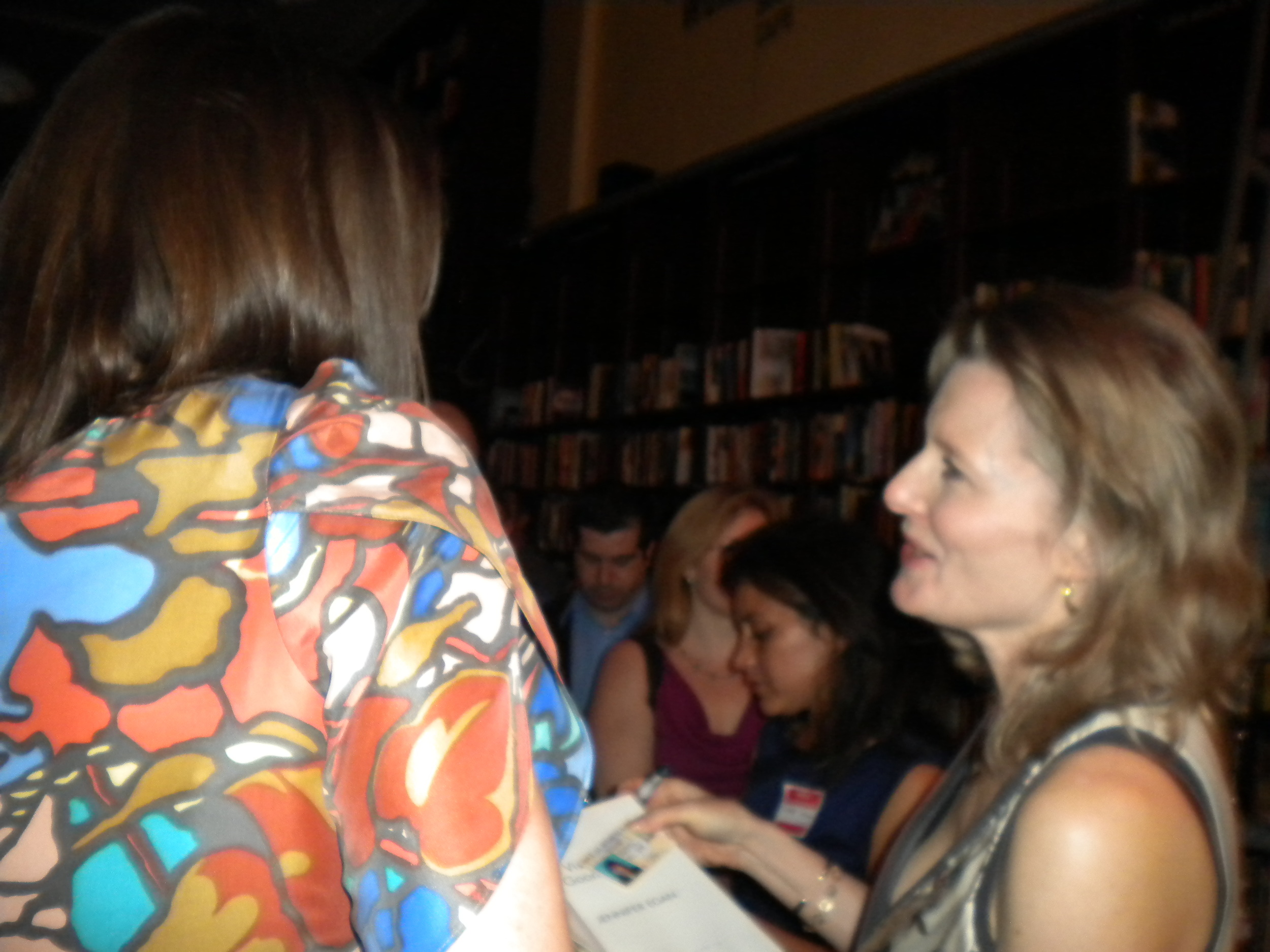
On Wednesday my friend Bonnie and I attended the first ever Goodreads Book Club event at Housing Works where Jennifer Egan's Pulitzer Prize winning book, A Visit from the Goon Squad, is the pick. Ms. Egan signed copies of her books and chatted with the audience while we were entertained by teenage band Care Bears on Fire. Good times. (All proceeds from this event go to Housing Works' mission of supporting AIDS research and individuals with AIDS).
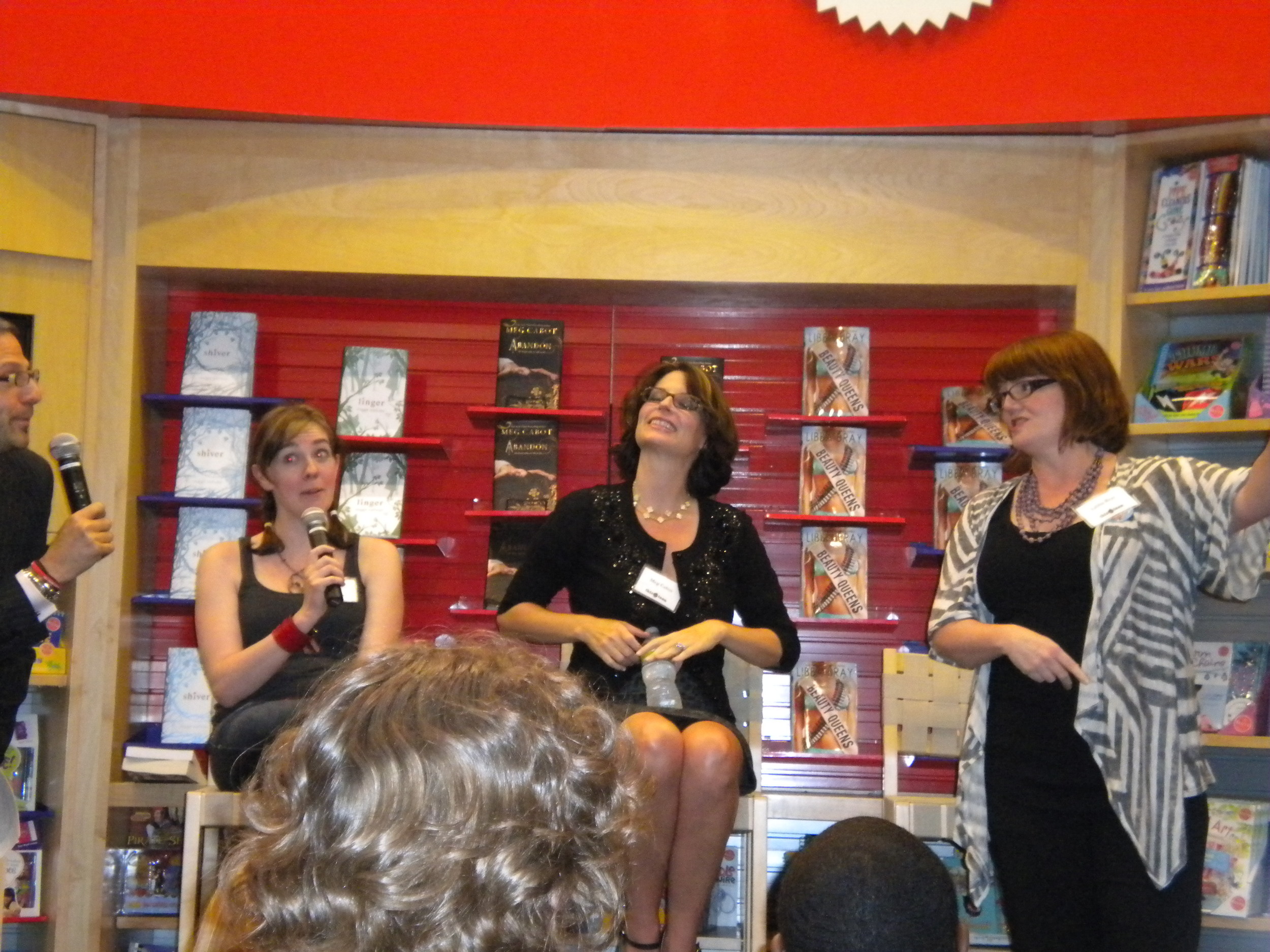
Thursday, more events, but Anna and I attended Scholastic's ThisIsTeen event at the Scholastic store where Libba Bray, Meg Cabot, and Maggie Stiefvater briefly spoke on their writing methods and about their new titles. For Ms. Bray Beauty Queens has already gotten a lot of buzz and was recently listed as one of the "must" on Entertainment Weekly's 10 Must List.
The rapport with the authors was one of camraderie and comedy and it was a pleasure to hear them speak and then engage with them as they signed copies of their books as well as ARCs that may have been made available at Book Expo or to bloggers/press.
By week's end I believe I collected less books than I did last year. And having learned from years past I made sure to have a wheely suitcase along with me to prevent me from having a sore back and shoulders for days. Though, my feet are a whole other story.
I've met many wonderful authors and fellow book lovers/bloggers at Book Expo and am connecting with people more and more via Twitter each day based on our experiences.
For book lovers Book Expo is similar to Willy Wonka's chocolate factory and us being Charlie or one of the other kids having the golden ticket. But I'll go with Charlie cause he was in awe and so appreciative of what he was able to be a part of. As book lovers, book sellers, publishing professionals, authors, publicists, bloggers, and so on we all come together at this huge event to learn more about authors, the book world, and the tomes we love or may grow to love. We post and report and review to share knowledge of what we deem good or bad and no matter what we're constantly entertained by what's out there for us to consume.
Here's looking forward to another Book Expo in New York next year. It'll be the first week of June, which hopefully means more sunny skies and brilliant evenings.