 After all the inspiration that overwhelmed me, along with some bad stomachaches, from the Pan African Literary Forum last year I decided I needed to be active and continue on with another writing conference this summer. However, I decided to stay stateside.
I narrowed it down to two conferences, both of which I heard about via Poets & Writers magazine. P&W started to dedicate a section of their magazine's bi-monthly space to conferences and residencies, and the Postgraduate Writers Conference in Montpelier was one of those mentioned. I had never been farther north or east of the US, only to some parts of Ontario in Canada. And hearing that Vermont is lovely I figured it wouldn't hurt since the travel to the nation's smallest capital would be cheap, plus it wouldn't cost me as much as it would to go across the world.
One of the things that solidified my decision to attend this conference was the consistent and friendly communication from the program's director, Ellen Lesser. When I emailed people at the other conference I was interested in I got various delays in response. And when it came down to the wire for me to make my decision and know my status I didn't get an answer for a week or so and then having found out I didn't get my first (and only choice for an instructor) I was offered an opening in a genre class rather than the literary class I had requested. This subpar way of getting me to join the conference by the director to fill in some gaps irritated me because it was obvious that he didn't have any idea of what my work was about and how it wouldn't fit with the workshop he was trying to sell me on. I quickly contacted Ms. Lesser and said that I was hoping she still had an opening in her short story class. Within the day Ellen responded back and I hot-tailed it to the post office to buy stamps and send over my deposit.
The Postgraduate Writers Conference has several things going for it in my opinion:
- Clientele: Target attendees are those with graduate degrees or in the process of getting a graduate degree. Hence they'll have familiarity with the workshop process.
- Size: Workshop classes are no larger than 6 or so people. For a five day conference this means that people will be critiqued thoroughly and possibly have time left over for additional discussions in workshop classes. One of my classmates told me the Suwanee conference has 15 people in a workshop and at Pan African Lit Forum that number can range from as few as four to as many as ten.
- Classes: The separation of classes from larger scale works and smaller works was a big draw. There were two workshops for novels, two for short stories, three for poetry manuscript, one for poetry, two for non-fiction, and two for YA. Not a lot of conferences split up fiction between novel and short story. Usually the two are lumped together. So knowing beforehand that someone's piece was short and being able to judge it on that made classes run smoother and more efficiently in my opinion since a larger work didn't have to be discussed (except in my and another classmates case in which we're doing linked short story collections). I do hope more conferences and perhaps even some graduate programs split the two up so people can focus more on the structure of a condense story and others on the evolvement of a larger work.
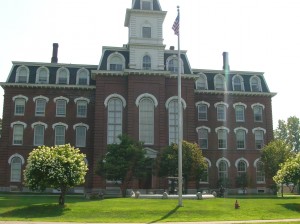
- Location: The capital of Montpelier has a nice city in the downtown area that is only a ten minute walk down a hill from the Vermont College of Fine Arts campus. There are plenty of nice eateries in downtown Montpelier and the population there is extremely polite and helpful. Of course it's nice to have a car to go further out, but not necessary.
- Staff: Full of reputable authors and poets there's definitely a strong roster of people who truly care about helping you develop your work and are adamant about one-on-one sessions with their students.
- Full Schedule: This can be a good and/or bad thing. With the packed schedule for readings, lectures, workshops, additional classes, evening social events, hiking, etc. it can get pretty jam packed. What I appreciated most were the Participant readings where one could hear the work other people in other workshops were reading. This proved to be helpful in being more social when admiring someone's work a fruitful discussion on craft could commence. (Not all conferences do this for the participants and considering size it can be understandable.)
- Cost: Compared to some conferences the cost for room, board, the conference itself, and food came in under $1200. Not including travel costs you're pretty much covered while there. And Montpelier isn't an overly pricey place either. Comparing food prices to those in NYC it's comparable or comes in less.
I think everyone has their worries when entering a workshop. Will people like my work? Will they get my work? Did they even pay attention? Will we get along over the course of the intense five days of workshops and such? And so on and so forth. Seeing that the population at the conference averaged fifty years of age it was good to find out that these people being older made them even more determined to finish their project and hone their craft. They took things seriously, which was a stark contrast to the younger generation I dealt with during my MFA program where many didn't get 70s references or deeper meaning and couldn't (or wouldn't) read between the lines. This time around I met two PhD candidates, a mom and lawyer, an entertainment professional, and a retired English high school teacher in my class who (to my surprise and amazement) read through my two stories thoroughly, providing detailed feedback and concrete advice that helped me immensely. After a while I considered my comments trite after hearing the deep readings done for my works. And our instructor Ellen Lesser proved to be the Braniac of everything! She delved so deep into our works at one point each one of us was left scratching our heads, considering her comments, while in the same breath pointing out that Ellen is a "genius."
For the first two evenings I was a bit of a hermit working on some writing I neglected for the past two months and focused on that. At the halfway point I got more involved in events and got to know my workshop mates a bit more. At different junctures in our life we all had a lot in common nonetheless. Good sense of humor, an enjoyment for letting loose through alcohol, the love of the craft and wanting to make it and ourselves better at it, love of food, and a general concensus that this conference was a really good thing for us.
In lectures I met one of the sweetest women, Sue William Silverman--A non-fiction author who got through and wrote about incest and being a sex addict. She has an affinity for pink and the brightest smile you'll ever see. Her lecture was amazing and in the end bringing up two voices (voice of innoncence and experience) as a tool for non-fiction authors to express themselves was a valuable tool for me writing a character with reminiscent narration. I also attented a lecture about the difference between YA and Adult fiction to hear author An Na break it down to voice. She believed that the voice being present in the action and that of an adult looking back and analyzing these events is the main (and not necessarily sole) difference between the two genres using The Lover and The Chosen as examples. An Na also notes that many of these can cross over to one another, but that authors need to know the difference and not just assume YA literature is "dummed down" literature for the audience. So much of it is rich and intense as is adult fiction so it's not good to assume that your audience isn't as advanced as you'd think.
I met and admired the YA classes reading from their books, the non-fiction writers delving into their lives, the poets reflecting on everything around them, and the fiction writers composing an interesting story and reading it emphatically. And I never hesitated to tell someone when I liked their work. It initiated lots of great conversation from my perspective as a person writing for a more adult audience and engaging in some deep conversation with the YA group and how hard it's been for them to create the worlds they illustrated behind the podium and on the page. I met retired women focusing on writing about subject matter important to them or exorcising their demons. I met young mothers trying to carve a certain amount of intrigue in their story to entice readers. I met men writing about talking dogs and people writing about being raised by hippie, poet parents. And I learned I needed to work on structure and not so much on voice.
I met the most amazing, generous people in a span of five days and am going through some heavy duty withdrawal I must say. I missed my bed and not having to walk down a moth-riddled hallway to the bathroom in the middle of the night (that's dorm life in the country for you). Yet, I didn't miss television. I didn't miss the day-to-day monotony of work and rush hour.
Now, I miss being embroiled in talking about writing on a regular basis. I miss hearing new work that excites me from people all over the country. I miss waking up at 7am and being served pancakes with Vermont's own maple syrup. I miss our daily workshops and readings. And I miss the bright sun beating down on the Vermont College of Fine Arts campus and slowly setting as I sit in front of my computer to plunk down my latest thoughts for my collection in MS Word.
I received a hilarious e-mail from workshop mates these past couple of days referencing things only we'd get and also crying out for the daily intake of cookies we got at lunch & dinner everyday. I'd strongly suggest going to the Postgraduate Conference in Montpelier if not for yourself then for the community because I assure you, you'll be invigorated to keep pushing yourself to get your story out there. If it's important to you it'll be important to them.