
BLOG
Powerful Short Fiction that Inspires
Since my main writing genre is short stories, and it's a form I try to perfect regularly, I wanted to share some of my favorites that have simply blown me away. Form, function, content, all of it works to make your jaw drop and wonder: How did they DO that? Hope you'll take a look at some (or really all) of the ones listed.
If you listen to recent reports short stories are apparently making a 'come back.' Collections are being nominated for more literary awards and winning them in instances as well. Most recently George Saunders collection Tenth of December was on multiple BEST lists last year. I don't think short fiction is making a resurgence per se, rather it's being acknowledged again as a powerful form of writing that is accessible, and, short. Short stories are what are often heavily studied in graduate programs and most often what is encouraged for critique in workshops because you can presumably review the whole thing in a session whereas a longer work would need a longer parsing for feedback and analysis. I'm entering year 7 of working on my linked short story collection and have been reading more short stories to get inspired by form but also by technique and the way the writer attacks characters and a subject. I see what works for me and what doesn't and the conciseness that can feel complete in a short story is something that does need to be studied and is helpful in all forms of writing.
So, here's a list of short fiction that bowled me over and that has definitely helped me to see the possibilities in the truncated form.
- "Brokeback Mountain" by Annie Proulx - If you compare the story to the movie (or vice versa) you'll feel like you've gotten a full glimpse of the life of Ennis Del Mar and Jack Twist. Proulx's story is a bit long at 30 or more pages (typeset) but it spans a whole romance/lifetime. In as much as a paragraph Proulx manages to capture the physical details, emotions, the entirety of a meeting with Ennis and Jack so that you as reader feel as though you've watched a drawn out scene. To me, this story is one of the pinnacle showcases of a beginning, middle, and end. It encapsulates both men's struggles. Proulx succinctly describes people and actions with details like "indian burn" to a moment of strife and that's all you need. Silence is a powerful component as is brutality and "Brokeback Mountain" explains so much without being overdrawn. In the acknowledgments of her collection Wyoming Stories, Proulx notes that short fiction is hard for her, yet looking at this story in particular it seems as though she's a master of the form barely breaking a sweat.
- "Cry, Cry, Cry" by Sherman Alexie - This story is hilarious with heart. The narrator reflects on his drug addicted cousin, watching the steady decline of a family member, and how he may have betrayed him. Alexie is great with brevity as well, providing snapshots as unique as "Shit, we got fake Bloods fake-fighting fake Crips. But they aren't brave or crazy enough to shoot at one another with real guns. No, they mostly yell out car windows. Fuckers are drive-by cursing." Mixed with the wit and wavering of a man not knowing what to do because he's expected to stand by his family out of obligation even when he knows it's bad for him and his soul. There's a connection to the voice and to the cousin from the first line and the pacing is perfect speedy yet languorous in the way you move through this world.
- "Hurt People" by Cote Smith (One Story Magazine) - This was one of the stories that stuck out to me when I subscribed to One Story and I still have it to this day. Surprisingly this was Cote's first publication. To me this was a perfect story, a dark story, and a well-told story of two young boys left to their own devices. The title itself elicits not-so-good thoughts and from the first lines of seeing the dank living circumstances of these boys and what type of person their mother is has you clinging to the hope that they'll be okay. Smith makes you care for these characters from the start which is immediately effective and masterful for an emerging writer. I'd urge you to look up this story and read it because it's a testament of how you can find your voice.
- "The Things They Carried" by Tim O'Brien - Whether you're an English major or not you've more than likely read this story or the entire collection by award-winning writer Tim O'Brien. The reason for this is because of the tie-in. The description of each character by what they take with them in a time of battle, what represents them and what doesn't. What keeps each character going and how it can weigh each man down in various ways of what they may lose, have lost, or are scared of losing. The clipped illustrations are the most powerful part of the anthology by O'Brien, being in the muck and crap of these men and knowing that some won't make it. It's a story that has so many brilliant pieces you can't just choose one. To me, "The Things They Carried" is like a crash course in short story writing. Each line necessary, each one providing so much weight and promise. It's freaking brilliant.
- "Good Country People" by Flannery O'Connor - O'Connor is considered one of the best writers of short stories. And it's understandable why. Her stories tend to be bleak, but real. Her characters are always alive and what I love most is her first lines, especially in this story of noting how a character had two methods of operation "forward and reverse." The briefest of descriptions that gives a reader everything they need to know about a person straight off the bat. I'd encourage you to read all of O'Connor's fiction because her stories rarely go where you expect them to, and while characters may surprise you it's never out of context of the world she's built.
- "The Pura Principle" by Junot Diaz - It's things like "The Four Horsefaces of the Apocalypse" that stick with you in a story like this one. Looking at the last months of his older brother's life the narrator notes a relationship of his brother and a woman who is downright toxic while also doing a balancing act of the brothers relationship and the mother/son relationship as people disappoint, just downright hurt one another, and deal with forgiveness knowing that time is short. Diaz's voice is distinct and confident and clear in all his prose and to me he just gets better and better.
- "You Never Knew How the Waters Ran So Cruel So Deep" by Roxane Gay - I noted that Gay's debut was one of my fave reads of last year. And one of the stories I pinpoint is this one, that is a list. With 3 columns titled Date, Item(s), and Price, Gay reflects on the lengths a man will go to find freedom and take his wife there and how much he loses. It starts off hopeful and as the reader sees the price and items the list keeper tracks it becomes more and more realistic of how hard this voyage for freedom will be and whether the relationships that seemed tight initial will hold by the time you reach the last row.
- "Great Rock and Roll Pauses" by Jennifer Egan - Another visual story that breaks the mold of story telling is short and really relies on a brevity of text and the graphics of a PowerPoint presentation to fully convey the relationships in a family that is troubled but not in trouble. The PPT is created by the teenage daughter who is witnessing it all and providing a journalistic play-by-play of her autistic brother, overworked father, and doting mother as they navigate how to get through a cruel world and the narrator sees how much weighs on her parents, her father specifically as a medical professional.
- "Speaking in Tongues" by ZZ Packer - "Brownies" is the Packer story often found on BEST lists but I think this one is a standout from her debut Drinking Coffee Elsewhere. It's one of the longer stories in the collection and to me the most roundabout. In it a teen girl named Tia in search of her mother believing the grass is greener on the other side. Of course some stuff ensues and she gets entrusted with prostitutes and older men and her own sexuality (and ignorance of it) before realizing that she was better off in a world dictated for her than the one she thought she could navigate. This is a story with a journey that the character goes on that is rough at times and realistic and would also have some tsk at Tia's actions yet understand them all the same. This piece feels utterly complete.
Those are just some of my suggestions. I have a few more story collections to read on my shelf (many in my to read queue) and many lit mags to delve into so that I can find and learn from more to come.
Fave Reads 2013 Edition
Annual wrap-up lists have posted or are posting and so here's mine for my favorite reads of the past year.
This year I read some books that disappointed by authors I like, but I was also introduced to some fab reads by new and established authors, and am very much looking forward to a new year of new books as well as new characters and worlds to get immersed in. Bring. It. On. Literature. My standout reads read in 2013 (not necessarily published in 2013) are as follows and are in no particular order:
- The Coldest Girl in Coldtown by Holly Black (2013): A friend lent me the ARC for this one. Holly was a big draw at BEA this year and this was my introduction to her writing. It's one of the first YA books I've read with vampires. Yes, the first. I have to say the standout characters in Coldtown definitely make this a solid standalone book to the fantasy arsenal while showing a narrator making mistakes, reflecting on her life and losses, and willing to do what it takes when she realizes what she truly wants. The alternate POVs and narrative voice that goes from Tana to the company she keeps is enthralling from page to page.
- The Best American Magazine Writing 2012 (2013): Since I was introduced to this anthology reading the 2009 collection I have made it a point to read each year's anthology and enjoyed this one with the variety of journalistic perspective from those taken advantage overseas and attempting to gain justice to those just trying to get by to race as it stands for Asian Americans in the U.S. Nonfiction brings a truth to our lives that we don't normally see/hear about and every year this collection engages and increases my knowledge and thirst for more knowledge about what goes on not just around me but in the world.
- Gone Girl by Gillian Flynn (2012): This was the book that almost everyone I know has read and enjoyed or partially enjoyed, but the fact is everyone was talking about it. So of course I read it to see what the hype was about. I enjoyed it, even knowing an important fact about the story I enjoyed the utter despicableness of these characters and people willing to do whatever it was to get what they felt they deserved. I get that some people would be turned off because it's about "privileged White people" in a way, but it's not because these people were on a pedestal and then promptly had that pedestal kicked out from under them to reveal their truest selves. And that, was enjoyable to see play out.
- This Is How You Lose Her by Junot Diaz (2012): Yes, Diaz is a genius. Yes, Diaz has a great style. Yes, Diaz's latest collection is good, very good. And yes this is one of the few literary books I read this year by a writer I admire that did not disappoint, but had me like him even more. My favorite story of this collection was the "Pura Principle." Diaz shows characters at their worst and also shows people fighting day by day to survive and admittedly has some people come to terms with who they are through others problems and faults. Junot is a great artist and a respected person and I look forward to whatever else he contributes to the literary cannon. I don't care if it's a haiku.
- Tampa by Alissa Nutting (2013): Another hyped up book because of the content mainly. This book is about a female pedophile. This book may make you cringe and throw the tome away. This book may make you feel a lot of things but it will make you feel something. The prose is directly from Celeste. A well off, beautiful, and yes conceited woman who knows who she is. Celeste knows her desires are bad but she doesn't give a damn and she goes after them with so much force you are thrust into the craziness of her situation and mind for the full ride. Nutting's success is in getting you in there and understanding Celeste. Not liking Celeste or relating to Celeste but understanding her need and that's what makes this book successful. I have not read Lolita. And there's been extensive comparison of it to this book but I think Nutting did something on her own here and the fact that it's a woman in 21st-century America may make people biased but hey it's not like there aren't other books with similar subject matter out there.
- Go Down Together: The True, Untold Story of Bonnie & Clyde by Jeff Guinn (2010): This was a bookclub pick so I may not have found it had it not been on our list. But I am glad I did. Guinn reveals the true Bonnie & Clyde to be hapless, lucky (and unlucky in their demise), unorganized, flashy criminals who are villainized a heck of a lot more in their death than they were in actuality. Accidents resulted in their infamy but really they loved their families and just couldn't get a break. That's not to say they, mainly Clyde and his gang, didn't do bad things and people didn't get hurt. But when push came to shove they were not cold-blooded killers as portrayed in film and even in the miniseries that came out late last year. It's good to have extensively researched material like this to provide a glimpse of reality to characters who were real people.
- The 5th Wave by Rick Yancey (2013): As far as series go I'll admit that I am getting kind of tired of them. BUT, 5th Wave for me was a standout that got me excited again because of Cassie and Zombie. The gradual reveal of how the waves took down society and how each of these characters lost their families, the feeling of kids being brought up for killing and rage. So many things keep you interested in what the larger war will end up being in this book that I wanted more and I wanted it ASAP and I will gladly, but impatiently, wait for the next two books in this trilogy. Keep up the good work, Mr. Yancey!
- Eleanor & Park by Rainbow Rowell (2013): More hype! More deserved hype! E&P as it's been affectionately known as was something I heard spread through wildfire via Twitter from book bloggers and avid readers who loved this book. And Rainbow is so sweet and has such a nice Twitter presence, and that cover!, so I bought the book and totally saw what everyone else did. Eleanor & Park is a love story that takes place in the 80s between a red-headed girl and a biracial boy trying to find themselves in high school and thus find each other and love and heartbreak and so many things! It's a tender story that anyone can relate to on so many levels between Eleanor hating her body and hiding it to Park feeling like his family doesn't understand him and rebelling and each of them losing a lot in that time period they find each other. Such a sweet and compelling read I urge you to delve in.
- The Dream Thieves by Maggie Stiefvater (2013): 2013 was a good year in YA as far as I'm concerned and as you can see from this list. Maggie's sequel to The Raven Boys had me staying up to reread sections and going on Twitter to ask who else read it so I could discuss and Maggie herself saying "I read it." And me gushing how much I loved it and went back to book 1 to see her subtle hints. Well played, Maggie. This book follows Ronan primarily and while he was a sullen, angry man in book 1 you learn why in book 2 and see so much potential for heartbreak with him and others as the story careens to it's last two books. Man, I am getting ready for heartbreak myself but with Maggie's literary style and way with characters I think I'll enjoy the ride.
- Two Boys Kissing by David Levithan (2013): Long-listed as a finalist for the National Book Awards in Young People's Literature Levithan wrote a beautiful and elegiac story with a chorus of deceased gay men to a younger generation in this story that winds separate lives during one event that feels huge for these teenage boys. It's just beautiful. Beautiful, beautiful. For some it may be too "preachy" or too "hopeful" I think we need more books like that done this well. Not everything should be dark. And I should know, I write a lot of dark stuff.
- Tiny Beautiful Things: Advice on Love and Life from Dear Sugar by Cheryl Strayed (2013): This is the collection of questions and responses from when Strayed was Dear Sugar for the Rumpus. If you've heard Cheryl read live she has a soothing, maternal voice that you want to just have her hug you and promise everything is okay. She maintains this voice in Tiny Beautiful Things but also hits you with some realness and tough love as well. Her experiences really aid in understanding her responses and in fact make her one of the most perfect people to have been Dear Sugar for her thoughtful and careful responses to serious and sometimes not so serious questions, but all are reflective and will lead you, they did me, to really sit and take her advice to heart and learn from it.
- Icefall by Matthew Kirby (2011): I had the ARC for this middle grade novel for a bit and finally delved in and enjoyed it thoroughly. Icefall follows a group, some we'll note are Vikings, as their world comes to war but is narrated by eleven-year-old middle child, Solveig, who does not know her place in her family. Her older sister is the pretty princess to be married off and her younger brother is heir to the throne, but what is Solveig's place in her family? Kirby does a great job of keeping up the tension and building the mistrust of those Solveig cares for and is unsure of resulting in some surprising results. Interspersed with the action of hiding in ice while awaiting news from her father are the stories told by the Storyteller who has a role in not just being entertaining but building morale. It's a really good coming-of-age novel that shows growth of a character and the realization of close ties.
- Ayiti by Roxane Gay (2011): I was mainly amped that I got to meet Roxane Gay at AWP let alone get a signed copy of her first book. This is a collection of stories and you know I love my collections but Roxane does different styles with each not just telling you actions with prose but giving you poetry or lists or sections/scenes like a screenplay, journalistic versions and so forth that succinctly get into the minds of these characters and their experiences. I read all of Ayiti during my train ride home from Boston and have to say the standout to me that had me smacking myself with "How the hell did she do that?!" was "You Never Knew How Deep the Waters Ran So Cruel So Deep." That is a story in LIST form. Read it. Fantastic.
- The Art of Fielding by Chad Harbach (2012): It took Harbach 10 years to finish this novel and it was well done in that time. Fielding isn't about baseball it's about people. It's about being scared of growing up. It's about failure. It's about realizing your limits and not taking it seriously. There's a robustness to Fielding and the characters in this text that makes it standout as a debut and may also be considered, by some, a coming-of-age novel for the collegiate characters it follows. I think the main female character of Pella could've been given a bit more in terms of strength but she carries herself and grows into herself and Harbach shows that growth, in a way. I love Schwartz. Love him. I want to date him and marry him. That's rare in fiction.
- Complications: A Surgeon's Notes on an Imperfect Science by Atul Gawande (2002): This was the first book I read last year in full and it was fantastic, and scary. A National Book Award Finalist in Nonfiction, Gawande writes about why and how physicians can make mistakes. He's a doctor writing about how things can happen, how illnesses can be overlooked, how much residents push to try and be taken seriously but will often be passed over by experienced doctors who can still make the tiniest of errors that can be quite costly. I was into this book from page 1 to the acknowledgments and want to read everything by Gawande now.
Other notable reads for me this year were Men We Reaped by Jesmyn Ward (2013), The Evolution of Mara Dyer by Michelle Hodkins (2012), How to Save a Life by Sara Zarr (2011), Hyperbole and a Half by Allie Brosh (2013), and Fangirl by Rainbow Rowell (2013).
Happy reading all!
A Word on Readings...
After discussing pros and cons of being an audience member at a reading I wanted to suggest three things to think about when you pursue reading your work to a larger audience.
A reading is a great way to get noticed and to build an audience. Spoken word artists rely heavily on the reception by an audience--it's in the title of "spoken word" artist that their work is crafted to be performed. And while there is material that is meant to be performed such as music and spoken word there's more subtle poetry, non-fiction, and fiction read aloud. My friend Kim and her friend Kia and I recently discussed bad readings we'd been to. Ones where the reader was monotone in the way they spoke, not changing inflection or diction at all for the piece. And when you have dense material this is very, very hard to listen to let alone get excited about. There are also those who tend to drag on and keep talking and talking because they have people there to listen. And when all these things combine it makes for a perfect storm in terms of the listening experience.
I've experienced the powerful and the painful. I've heard authors read large portions of work where only one sentence stuck with me after twenty minutes or more of listening to them. I've heard authors, published and non, ramble on about life coming to open mics with nothing prepared just hoping it'd flow, it didn't. I've also seen spoken word artists so in tune with their craft that they'll have a standing ovation and fiction/non-fiction authors arouse so much passion and sympathy from listeners that they just sold a good dozen or more copies of their books in the time they read.
Now, I'm not saying everything that is read should be humorous or fleeting and not necessarily be deep or have a connection. What I am saying is that a reader (author in this case) should consider their audience or potential and establish readers (those who do read the book). I think sometimes authors choose material that is the most interesting to them, but again that doesn't necessarily translate aloud.
My first experience reading aloud was in junior high and I was reading a portion from The Fear Street series by R. L. Stine. My mistake was that I read too long and without much oomph. When my classmates heard me rustle a page I heard groans in the audience, they were disgruntled at the fact that I kept going and didn't know when to stop. I went on so long that I bumped someone else out of a reading spot. In my sophomore year of high school I had written a poem for Black History Month and read it so stagnantly that no one paid attention to the words, no matter how 'deep' I thought they were in my adolescence.
By college I had learned a bit more, by grad school I was getting better and more animated, and now--while I don't know everything--I feel much more confident when I go to the mic to read my work. Am I nervous? Heck yeah I am! My hands shake the paper I'm holding so that I'm glad when I have a podium to hide my trembling. But because I believe in my work and the brevity and impact of it I know that even if it doesn't get a good response, it'll be over quickly enough.
My conference experiences attest to most of my recent experience in reading material I was confident in. Most if not all writing conferences with workshops as a focus will have an opportunity for participants to read from their work so that we're not only hearing faculty but the potential future of literature.
Material
My first time at VCFA I read a heart-rendering piece from my Collection that was really sad. It got shocked moans from the audience in places because they felt for the husband at the funeral. The piece has changed dramatically since then, but I knew the impact was there.
At Napa I had two minutes, and went a bit over, to reveal a scene about two men talking about infertility and insecurity, a tete a tete between two brothers. I chose the scene that revealed the most tension through dialogue. My workshop mates enjoyed it and Forrest Gander said he liked the opposition I presented in such a short amount of time.
At the Glen I read the last few pages of another story that my workshop mates and Sara Zarr had read. So I already had partial invested interest from people at the conference. The end was a fight scene. I got laughs in places I hadn't expected to and a nice round of applause. The next day at our farewell party several people came up to me and said they remembered my piece because of the power and tension and clear goal of the character in that portion. I picked it because I knew it was short and contained a moment that may resonate for readers and moved quickly, yet ended with heart for an edgy character.
I could've chosen the pieces that sounded pretty and I had been told 'moved' people and such but if the portion wasn't contained or wouldn't draw interest or couldn't succinctly tell a portion in an engaging way I more than likely won't read it out loud because I don't know if it'll hit the mark or if listeners will enjoy it enough to focus on what I'm saying.
Speech
Something else I've learned and gained control in is how I read. Like I said I started off very monotone with no inflection years ago. With my own writing I know the voices and the characters I have lived with for years, sometimes less. So I aim to capture those moments I want to convey. I can read pissed and lower my voice to a manly bravado.
My friend Ennis has done readings for pieces he's published. He's a former actor and really captures the range in the characters and moments. He's been complimented heavily for this and when he tells listeners he was an actor they aren't surprised.
Is it necessary, changing tones? No, but I think it helps to further show your range and understanding. I think going overboard with accents you cannot master may distract the listener rather than intrigue them. So I don't do southern accents for characters that have them, however I do alter tones when necessary and emphasize where necessary and get into the spirit like an actor would a part. These are your characters. This is your narrator. You know them best.
Length
I have to say that length and timing matter. Do practice reading if you have a time limit and the shorter the better at times. Jennifer Egan tends to read the same story, her first, from The Good Squad. I've seen her read a handful of times since it was released and she often reads that story because it does pack a punch, have interaction within it, and is one of the shorter ones in the collection. On top of that she reads it well. She knows Sasha and she does the voices of Sasha versus everyone and captures all the moments in the story so that after reading it yourself hearing her read it sounds completely new. And that's the effect you want to have on listeners.
I've read my flash fiction at conferences, open mics, and residencies and some pieces hit harder than others and required my audience for the few minutes I was in front of them to not have to pay attention for more than a few minutes. I appreciate the five minute limit because it does allow me to focus on a single moment to draw the reader in without going overboard with background and other instances that may not be of interest to listeners in that moment.
So these are my suggestions if you choose to read your work aloud:
1. Make sure the material will resonate with the reader and is conducive to being read aloud. If it's very convoluted and has a lot of twists and turns it may not be right for an audience to hear, especially if many are not used to listening to work.
2. Try to differentiate how you speak if you have dialogue and try to not sound too professional if the text doesn't require it. Junot Diaz writes in a voice that is similar to his own so that when he reads it's not as though he's reaching. Tayari Jones also is very good at capturing her characters when she reads. She knows them and hearing her read Silver Sparrow going from mother to daughter to father was amazing and put me in the moment. Like the writing the oral voice should be your own but reading it in one way every time may not give readers of your work a new experience.
3. Try to keep it short. Yeah, featured artists don't have that worry so much because they get a good amount of time. Usually twenty minutes or so, sometimes longer. But many people are not used to long periods of listening to something that is not accompanied by visuals and/or music. So if you're going to read for awhile make sure it works in that space of time as well, see 1 & 2 above.
I think these three things can help any artist whether it's doing a presentation or reading creatively. It's nice to hear your own voice but give the audience the respect of being entertained by it. It's not so much about you once you're at the mic but about those who graced you with their presence.
Book Expo 2012: Lots to Celebrate (and Learn)
This year Book Expo of America (BEA) was held on a timid weather week in New York City (and it was announced that Book Expo will continue to be held in NYC until 2015). There were many award-winning authors, publisher anniversaries celebrated, and much discussed in terms of what and how to bring books to consumers. BEA was held in conjunction with IDPF and BlogExpo at Jacob Javits Center in midtown Manhattan.
Last week the largest book convention for those of us in the book industry reared it's head again in midtown Manhattan. Book Expo of America (BEA) was held in conjunction with the newly purchased BEA (formerly Book) Blogger Convention, IDPF, and Blog & New Media Expo. And New York City will be the home of BEA up until 2015, which makes me particularly happy as it's been housed at Javits steadily since 2008 after it used to rotate locations between Los Angeles and Chicago. This year BEA focused on different ways of thinking. Publishers connecting with consumers directly and cutting out the middle man. Sessions have steadily been geared towards how to utilize social media to its highest potential and how to make books (particularly young adult and middle grade titles) that much more exciting and interactive for the end user.
Many articles in the media have touted Amazon as an enemy for publishers with low-cost products and small returns. Becoming the Walmart of the book world Amazon has it's own self-publishing imprint (CreateSpace), has launched it's own publishing sector, and is still one of the first places consumers go to purchase books at a deeply discounted rate with free shipping and many other goods available from clothes to music to appliances and various technology. And Amazon continues it's growth in the publication industry with the purchase of Avalon Books which specialized in romance and mystery titles.
In a market that is slowly on the uptick publishers are trying new ways and harder than ever to connect with consumers directly. Book Expo allows them this opportunity but many times it is press/media and booksellers that get more of the publishers attention. Book bloggers have been indelible in spreading the word about little known books becoming the next big thing. A prime example of this is The Hunger Games which is a true word-of-mouth success from book 1 to the final book Mockingjay released in 2010. As is there was a huge blow up in the media blogger realm when numerous book bloggers and other forms of press were denied press credentials months after registering for BEA. To Reed Exhibitions credit they reneged on the subsequent denials noting their mishap in cancelling registration for bloggers who had registered in January and February and not informing them until the day before Good Friday (when much Reed staff was already out of the office.) Next year I'm sure whatever stringent guidelines that make press press will be clearly outlined early on and handled much more swiftly post-registration. But this sent flurries throughout the blogosphere noting how important bloggers can be to publishers and how important they are to spreading the word about books many may not be aware of and providing a hardcore fan base for authors of various genres, particularly in the young adult (YA) market.
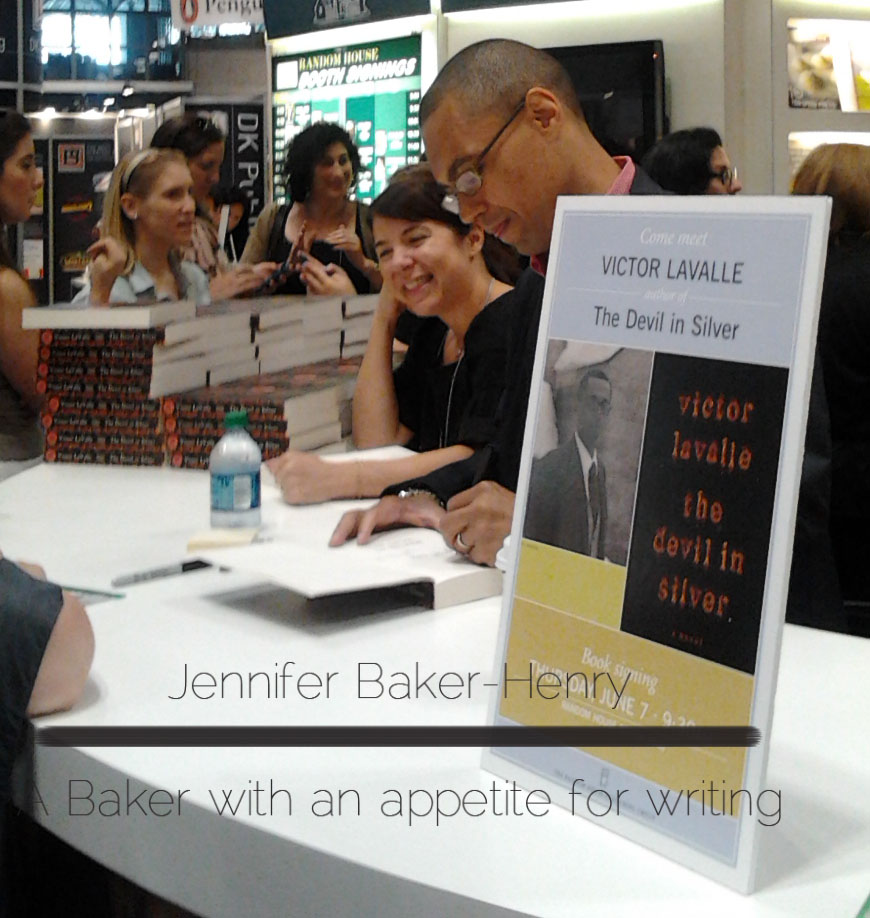
BEA Buzz Panels for both YA and Adult books were huge draws for bloggers, booksellers, and fans alike giving attendees the inside track on what publishers are noting as their big debuts for the year. This included Kat Zhang's YA paranormal book What's Left of Me from HarperTeen and Shani Bioanjiu's The People of Forever Are Not Afraid from Hogarth (a division of Crown Publishers). Bioanjiu was also a National Book Award 5 Under 35 Honoree this year. But debuts weren't the only things lauded at Book Expo of America, prize winning authors like Junot Diaz, Mark Helprin, and Tracy K. Smith were on-hand for autographing. Pulitzer Prize winner Diaz spent hours with fans lined up to read an excerpt from his new collection from Riverhead (an imprint of Penguin) This Is How You Lose Her. He even said it was great to meet readers. "I'm like thank God," he said. The realization of meeting those who enjoy your work can be refreshing. Dennis Lehane (Live By Night) from William Morrow (HarperCollins) and native New Yorker Victor LaValle (The Devil in Silver) from Penguin they were appreciative of those lined up to meet them and of the compliments received and were happy to promote new work.
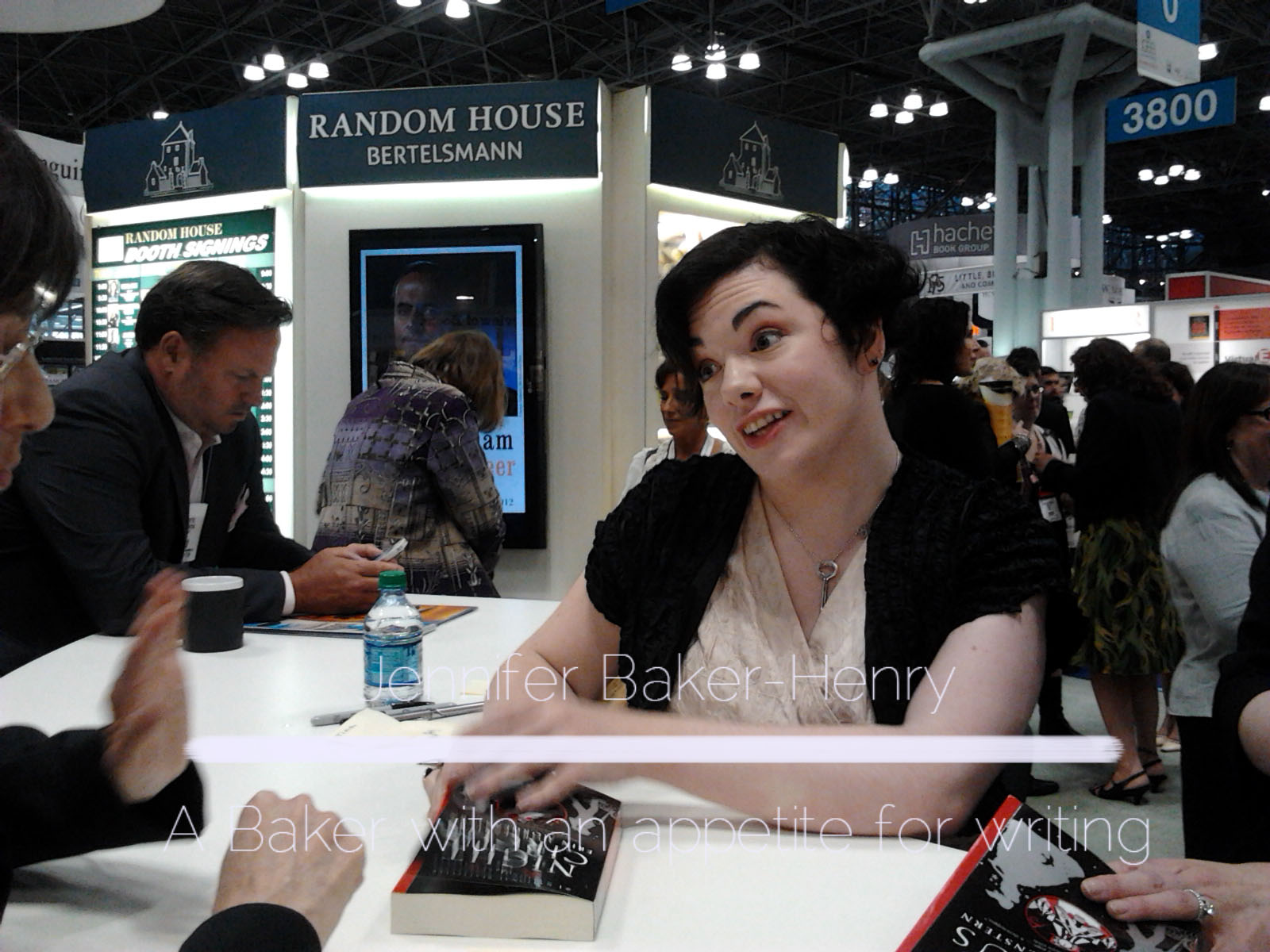
Book clubs are another big score for publishers and this year a speed dating event was held on Wednesday by The Book Report Network where leaders and members of book clubs could meet with publishers and hear about upcoming titles (in hardcover & paperback) they think would fit with book clubs. In meeting Erin Morgenstern for a signing of the paperback version of The Night Circus she had said that she thinks her book is great for book clubs. Being "fun" to discuss. Her editor was also quick to note that during Erin's tour they would be happy to speak more with those interested in doing Night Circus for book club discussions. Not only was Morgenstern there promoting the paperback version of her book but so was National Book Award winner Jesmyn Ward for Salvage the Bones also in paperback. My book club is fond of books in this format and it is often when reprinted in PB that publishers add book club guides to the back to promote discussion. Book clubs can generate great sales especially if they meet regularly and have a dozen or more members. Many of the members of my book club have turned to digital means and so have a friend of mine with me being one of the few still pursuing the printed text. But the printed text still has a great ways to go before being eliminated and so publishers are aching for book clubs to "adopt" their titles.
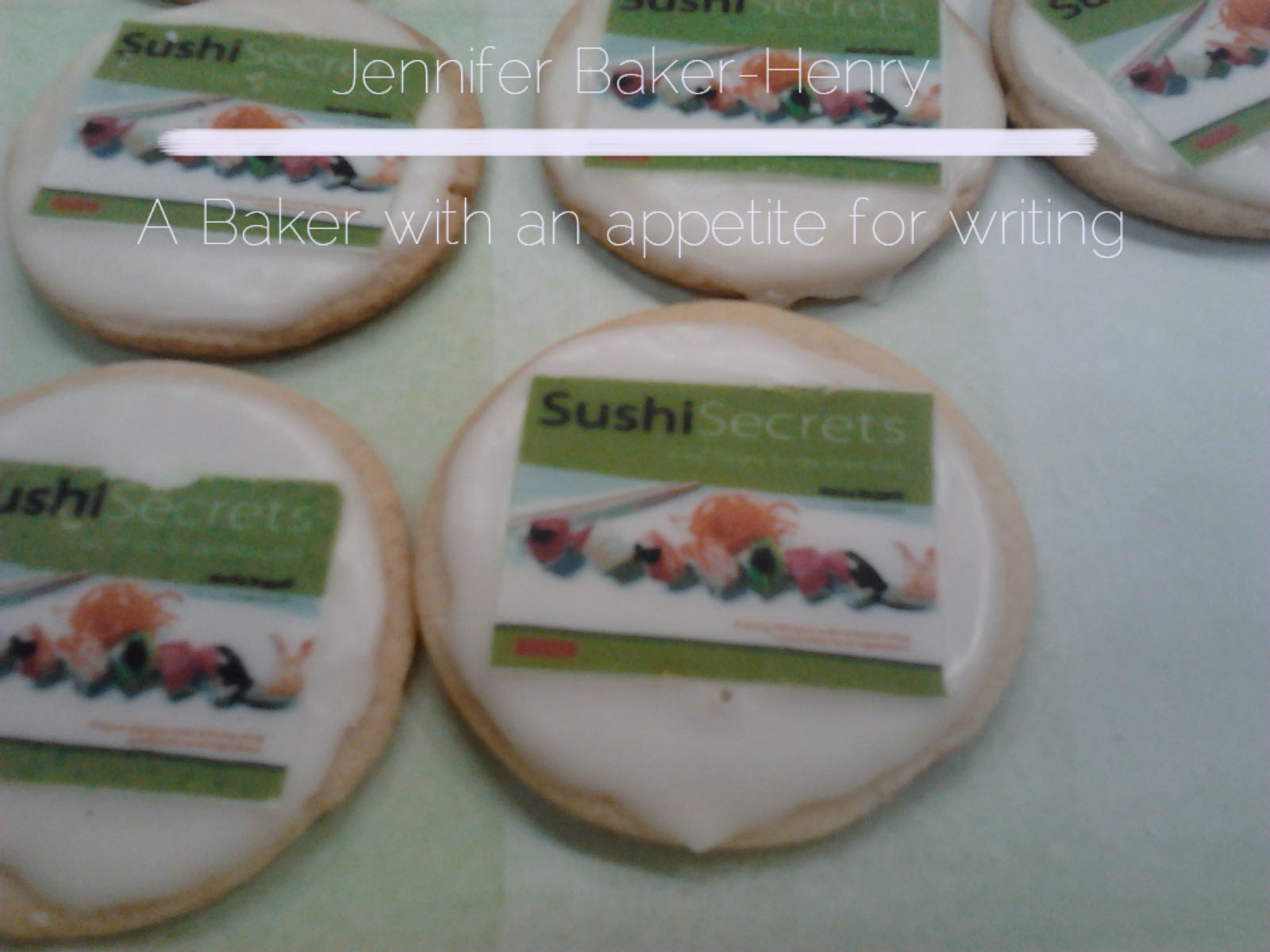
And there were numerous celebrations! The arrival of Book Expo of America also initiates NY Book Week with lots of parties going on around NYC hosted by bookstores, publishers, authors, and bloggers. But within the realm of Javits Center there many anniversaries to be celebrated from Little, Brown's 175th to The New Press' 20th to Scholastic's Clifford the Big Red Dog turning 50 to Sourcebooks celebrating the quarter century mark. Russia served as the guest of honor at Book Expo this year and had a huge section devoted to "Read Russia" where champagne in crystal flutes was on-hand to celebrate new and established authors from their homeland introducing them to an international audience. Taunton Press had signings by cookbook author (and local foodie) Abby Dodge offering great samples of her orange sesame cookies. Tuttle Publishing had daily samples of desserts from Sushi Secrets and gluten-free items. HarperCollins had beer and cupcakes, Perseus had an open bar and there were wine tastings near the ever winding Starbuck's line and check in downstairs.
Discussions on Uptown and Downtown stages ranged from the Bellwether prize where winners Heidi Durrow and Hillary Jordan sat with veteran author and Bellwether judge Barbara Kingsolver to the always advancing digital age in publishing to applications that can help sell your ebook. Scholastic was heavily promoting their new series Infinity Ring that is both a print book and available as a game, readers can choose either (or both) formats to enter the world of this new middle grade series, each book written by a different author. The author breakfast and lunches welcomed (back) Stephen Colbert, Junot Diaz, Barbara Kingsolver, Zadie Smith, Chris Colfer, Lois Lowry, Michael Chabon and John Green to name a few.
And while in years past Book Expo of America had been slim in pickings there was much available to take in and take home. BEA is an avid reader's playland and a future writer's inspiration. Meeting authors, publishers, agents, bloggers, and booksellers immersed in the same love is a great way to be reinvigorated and well informed. BEA provides a way to connect all facets of the industry to learn more about what is working, what isn't, and what the larger masses want in terms of upcoming titles and their platforms. Next year I imagine much of the conversations will be the same discussing the success of some strategies and the complications of others, but it's good to know that those within the industry seek to change the way literature is provided and taken in and that there's always a format for everyone. After all books should be celebrated and Book Expo of America is one of the biggest venues to do so.
Jentel Artist Residency: Week 3 (Winding down)
The third week at the Jentel Artist Residency in Wyoming brought about some blocked moments and surges of insecurity on my part. These come-and-go and at a residency you hope to be at your most productive, but can force creativity to flow. But the week progressed better than it started with good food, good people, and good times.
While the first several days (week and a half) brought a flurry of inspiration, the tail end of week 2 and beginning of week 3 brought some serious winding down in terms of productivity and confidence on my part. In speaking with one of the other visual artists she also said that she was upset with herself for not producing as much as she wanted to in a month's time and that in reflection she needed to be easier on herself because of the fact that inspiration can't be commanded on a whim. In my case I was on a roll and found myself in slump. Said slump consisted of me typing up things and immediately hating what it was I was scribing but pushed myself to keep going, and at some point I just couldn't. At various moments I stopped and this is when Facebook and Twitter and the schedule for Book Expo along with work for my job came into play to distract me from the creativity that just wasn't flowing.
On top of which the end of the week brought a rejection from the only lit mag I queried about a flash fiction piece I'd been working on for over three year.! Yes, less than 1000 words worked on and edited and nitpicked for 3 years + (it happens). I got a one sentence reason for the rejection which I took to heart and am currently editing this piece again for mass submission this summer.
Other things catering to said slump may be the feeling of cabin fever (as beautiful as the residence and locale are sometimes you just need to get away) or the reality of time clicking away at a steady pace (What day is it? Friday! Crap.).
Yes, slumps happen to all artists. The residents here have all had those moments or are currently in the midst of them in some way and believe-you-me we are none too happy about having to leave said paradise and go back to our day-to-day lives where some of us just don't have the luxury to create full-time. The insecurity has bound in and I'm coming off the high of March into May with reality slapping me in the face again. The reality of wondering if your tale has a place in the growing African-American diaspora let alone the literary canon. The reality of wondering if you'll ever truly be done. And of course the reality of wondering if you're even good enough. I was just reading Megan (aka Writer Girl's) blog about giving over her first draft to loved ones to read. Just a few months ago I posted about not believe in my NYC Midnight submission. And of course I see Twitter updates from writers grinning and baring it and plugging away and asking for good vibes and sugar sent their way so they can keep going. There are days when you feel you are just producing crap and to do so at a residency may feel like a waste, but it has to happen. It's going to happen, so you just have to deal with it. I produce stuff I am none too happy about at home in NYC all the time, so why not in Wyoming too? And maybe now's a good time to take Lynn's advice to heart and take a break from producing and just focus on moi.
Friday brought a nice trip to Ucross, another residency several miles away from Jentel that has hosted some big name writers like Heidi Durrow, Colson Whitehead, Sigrid Nunez (a former instructor of mine at The New School), Elizabeth Gilbert, Junot Diaz, and Wyoming's own E. Annie Proulx! I was so excited I had to tweet the authors I follow on Twitter and let her know I saw her work there. Turns out Ms. Durrow was not only a resident at Ucross (and Hedgebrook and Norman Mailer and Vermont Studio Center; yes, she's my idol!) but she said she found her voice here at Jentel. Amazing! Three of the visual artists and myself went to see the Ucross gallery celebrating 27 years of artist residents and saw some amazing work. Joyce and I were particularly blown away by the coloring and such for this piece:

And this was another favorite by the Ucross alumi:
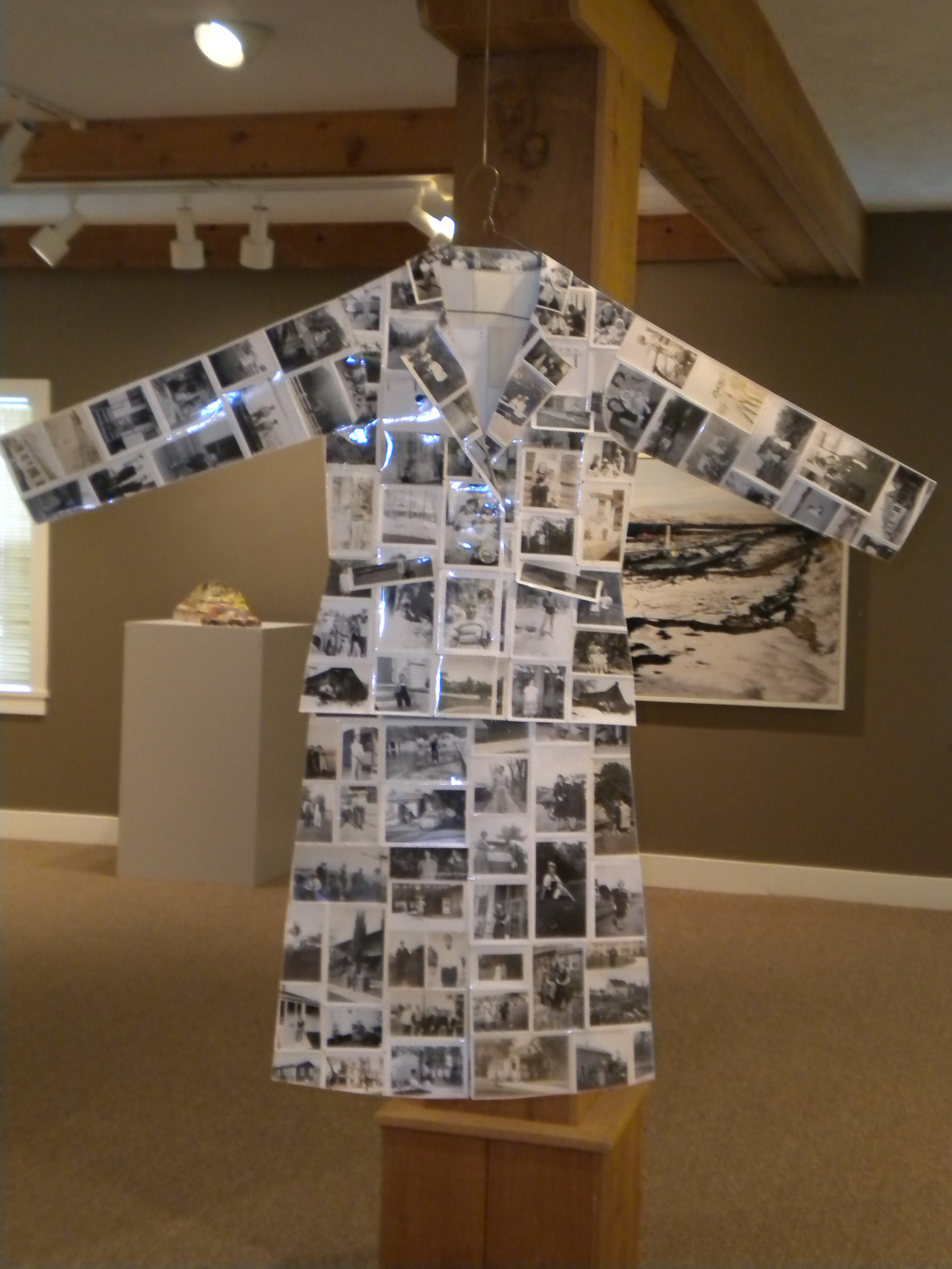
If you're near Banner or Clearmont, WY I strongly urge you to stop in. I believe this particular showing is going on until June 1st.
As the days go on and we continue to experience cold, hot, warm, cold, chilly, snowy weather we also prepared for Jentel Presents! This is the time when us residents get to show our work to people in the community. And Lynn informed us that this presentation has also become mandatory for college students both in art and creative writing. Like I did at an Inspired Word NYC open mic I decided to read my flash fiction. I'm trying to stay away from reading aloud too much from the collection as I feel I've exhausted the strongest bits by reading to the residents and sending out to residencies these past few months. Though I am proud of what I've done here (some of it, well most of it) flash fiction tends to be a great thing to read because you can actually complete something and provide the reader something to mull over afterwards.
Everyone did an extraordinary job in presenting and talking about their work. For the artists, Lisa, Joyce, Rachel, and Karen it felt like I was being re-introduced to their work as we heard more about their process even though I had seen some of it before. Seeing them stand up tall and talk about it so confidently in front of a crowd was amazing and gives you a sense of pride in sharing space and time with such amazing artists. Lorraine read one of her favorite portions to write from her novel-in-progress and it definitely showed in her reading it. It was vibrant and the characters well constructed. She has a great reading voice.

After the presentations were over we got to speak with some of the people who attended, full house as you can see from the picture above. I spoke briefly with a poet who asked me why I felt insecure (something I mentioned before reading noting that while I'm in love with my collection I have bouts of sadness at the prospect of not finishing) and I told him the truth, just a few days earlier I had been blocked. He said he was going through the same thing. He's in the midst of writing something about his father and was going to do a series of poems but realized the structure may be better as one poem with four sections. I commiserated, informing him I think I just got an idea on the structure of one of the stories for my collection that morning and it'd been something I'd been thinking about for years since it's part of the crux or linchpin of the stories involved. I wished him good luck with his current block and we agreed that we'd get back to things when it was meant to be. We just had to be patient, though that can be hard.
We ended up having dinner with some local artists, Randy one of the heads of Sagebrush was such a pleasure to speak to as were Joel (another artist) and Sarah a teacher who is trying to find time to write while raising a family and working a full-time job. Everyone was friendly and the food at the Pony Bar & Grill was ridiculously large in size. All in all a great night.
We're headed out at the latter part of this week and working hard as we get to the last week and preparing to depart and get back to our real lives. *le sigh*
On another upbeat note, my flash fiction piece, "The Resolution" has pubbed in the latest issue of Eclectic Flash. On top of that, Joyce made huge cookies! So after the end of a bad week looks like this week is progressing to end well.
