
BLOG
Fave Reads of 2018 (#Bestof2018)
It’s that time of (the new) year where I dust off the blog to mention my favorite books read over the course of the past year. In 2018 it contains much prose and an array of fiction and nonfiction, particularly essays bringing readers deeper into people’s psyche. Good times!
Well, this has been in my queue for a good year so I guess no better time then the present. I had said the only reliable post I do for my blog is an annual reading one and apparently that’s a big ole lie. Or at least it was the year an anthology I edited was published (which is quite good if I say so myself). Anywho, here you have it! Of the 60 books I read in 2018 there was a lot of fiction and nonfiction and, sadly, not as much poetry. So once again I made a vow for the upcoming year to read more poetry (spoiler: I do read more!).
Here they are in no particular order. You may have read many of these already, and I’ll note that not all were published in 2018 (a couple pubbed in 2019 and I had access thanks to ARCs).
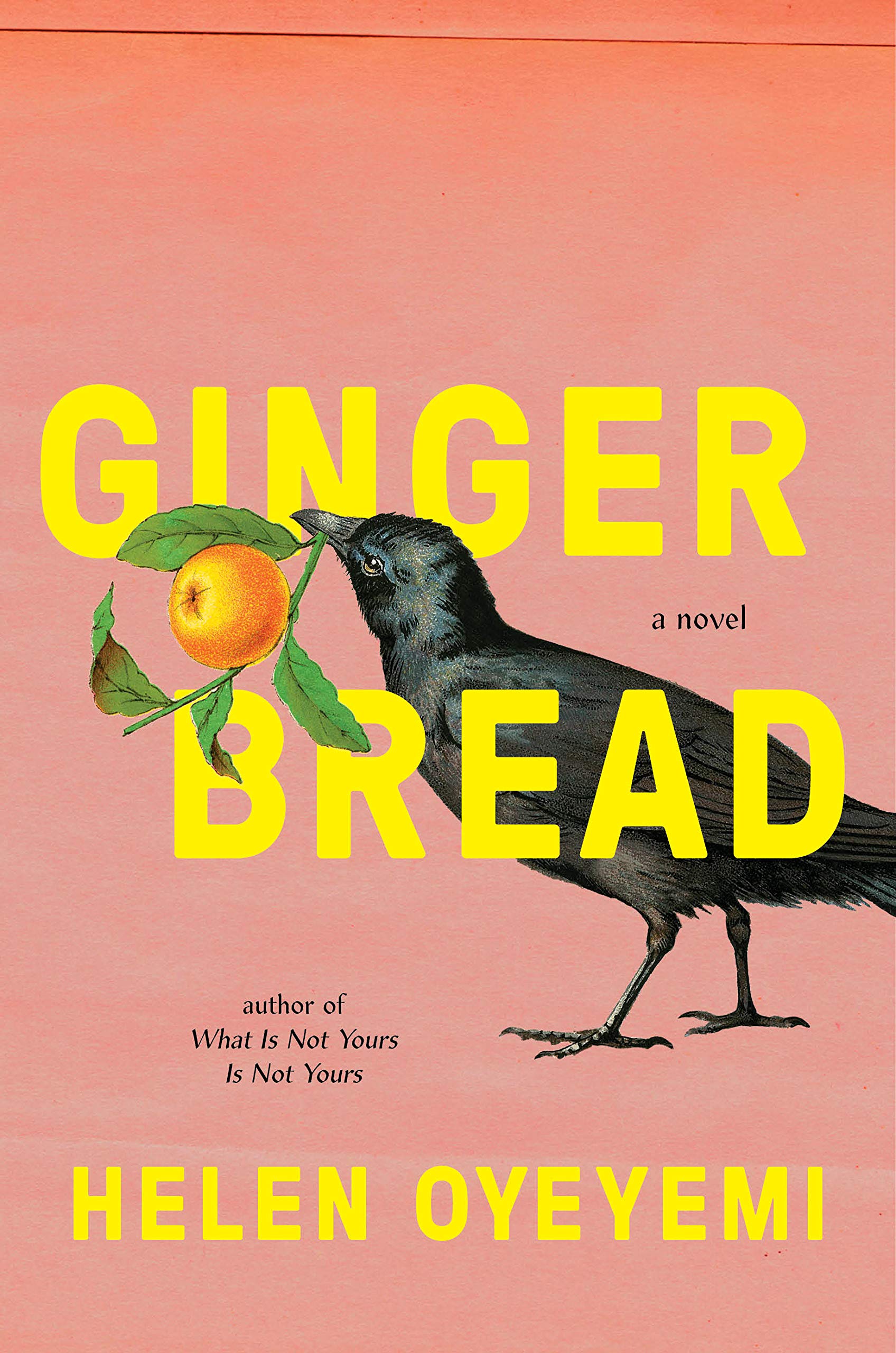
Gingerbread by Helen Oyeyemi (2019) - This was my first foray into Oyeyemi’s writing and may I say it is wonderful! Her writing! Her characters! Her/Their wit! Just so freaking good. I found myself laughing out loud and staying up late (since I wasn’t able to sleep in Marrakech). When I got a chance to speak to her about this book I found Oyeyemi to be increasingly personable and kind. So yeah I’ll be reading ALL her books. She has another one on the horizon in a couple years.
Good Talk: A Memoir in Conversations by Mira Jacob (2019) - One of the best books of 2019 (you’ll see the lists) and it’s completely warranted. Whenever I discuss this book with anyone they are hands down enamored with the execution and also relating to the tangible ways Jacobs conveys a lot of emotions that conflict and also combine to make us human and, hopefully, more aware. Such an essential work and I hope it continues to get as many accolades as it deserves. I was so glad to speak to her about this book pre-pub. Also give it as gifts this holiday season! Lord knows it’ll help or at least serve as an entrypoint for some tough conversations.
Becoming by Michelle Obama (2018) - I was gifted a copy and the opportunity to hear Obama speak at Barclay’s end of 2018 so I’ll just say I was smitten! Ghostwriter or not this sounds like Michelle Obama from the first to the last page. Her experience and the weight of it, the way she and Barack Obama first met, her trajectory as wife, mother, and soon First Lady. Wow. We get to see her as her and it’s a gift to do so.
Can We All Be Feminists? edited by June Eric-Udorie (2018) - I ended up loving this collection and the thought/care Eric-Udorie put behind it as an editor. She and I also spoke about editing an anthology and doing one around feminism in a time when it feels like the interwebs constantly discusses feminism in ways that are helpful (and hurtful) is a huge task. It is not easy at all. And Eric-Udorie adds a lot of elements of dissection, privilege, and awareness throughout of what we need to be thinking of when it comes to intersectional feminism, not solely feminism. Highly recommend this one to all.
Forget It by Anastascia-Renée (2017) - Poetry! I had the pleasure of meeting Anastascia-Renée during a tour stop in Seattle where she hosted and I got her book which is WOW. Incisive and so damn insightful when it comes to the growth of self beyond relationships as well as in the midst of a break up. This is the book I recommend to those going through a hard time or having gone through it to feel that kinship. That’s what the best books do.
Saga Volumes 8 & 9 by Brian K. Vaughan and Fiona Staples (2017 & 2018) - All I have to say is GODDAMN it how could it end like this and then go on hiatus??? HOW DARE THEY! That is all…for now.
We Are Never Meeting in Real Life: Essays by Samantha Irby (2017) - I’m mad I waited to read this one. It was a splurge by at my local indie since I had heard so much and really wanted some humor in my life. I usually don’t love humor books but I loved this one! Funny and not saccharine sweet. Irby gets real to the point her and her feline get into it even as it says it’s goodbye. Irby has more to come in 2020 so buckle up y’all.
Junk by Tommy Pico (2018) - Hearing Pico read this in-person is its own experience. One I highly recommend. Reading it yourself, with Pico’s voice ringing in your head, is also beneficial to absorb how relationships, sense of self, and junk it’s most tangible form are part of our lives always. His trilogy ended this year with FEED (so I am gonna make a plan to read/re-read these all in one to get the full effect).
Heavy: An American Memoir by Kiese Laymon (2018) - Laymon’s most personal book to date is mostly in 2nd person and it works to really get you in there. The heaviness of Heavy exudes the many facets of what we carry with us and how over time. It’s hard to sum a book up like this beyond saying it’s crucial reading and something you don’t forget. You cannot, and hopefully in the analysis and remembrance we grow as people to learn more about those around us and ourselves. Kiese and I also had a heavy (no pun intended) convo about this book and writing “truth.”
The Reckonings by Lacy M. Johnson (2018) - The titular essay is what got me seeking this book out. I heard Johnson read it at a conference and I immediately knew I had to read this all. Privilege, justice, feminism are all thematic elements but Reckonings is so much more than the idea of themes, it’s about what’s affecting people and how. We can all relate to the material and there are hard things to hear within these essays, it’s all essential and it’s all candid and beautifully written. I cannot recommend this book enough. You can read me gush a bit about it in an interview with Lacy last year.
She Would Be King by Wayétu Moore (2018) - I got the chance to read Moore’s book twice for conversations last fall and it’s even better on the re-read! The ways Moore ties in an intraracial story with speculative elements, slavery, and the how privilege (there’s that word again) comes into play in and out of cultures is expansive and really detailed. The stories come together in ways that are not predictable and you want to continue this journey with everyone far beyond the ending.
Love War Stories by Ivelisse Rodriguez (2018) - Viva la short story! A finalist for the PEN/Faulkner Prize earlier this year I am a huge fan of Rodriguez’s debut collection. I mean wowza, the range in voices, perspectives, and scope. Love War Stories really does have love as the thruline in all it’s iterations from the beauty of it to the pain and fear that comes with it. I heartily recommend this collection to all. One of the best of 2018.
Maid by Stephanie Land (2019) - Land’s memoir would become a NYT best seller at the very beginning of 2019 and deservedly so. It’s a close-up view to poverty that not a lot of people know about. Myself included in these days. The ways that the system really screws you and how poverty is defined by state/federal levels. People are struggling even when employed, so let’s look more at our systems and less at the people just trying to make it day by day.
Black No More by George S. Schuyler (reissued 2018) - Bring on the satire! I had not read Schuyler before and actually assigned this book as part of a Harlem Renaissance reading group I lead this fall because it' deserves to be read/discussed! It goes there in a way that definitely has a definitive mission and, at the same time, has a lot to say about race relations and the ways in which Black people navigate the world of privilege and the ways in which power and hierarchy are always present even when we’re “on the same playing field.”
All the Light We Cannot See by Anthony Doerr (2014) - I’m late to reading this Pulitzer Prize winner but the writing itself is so intricate and so spare. Some chapters are as short as one page and not a detail as lost! I do not know a lot about WWII beyond the perfunctory teachings from school. But this world that he provides and the people encapsulated within a true tragedy bridges something really necessary in seeing/feeling details and recognizing how much was lost.
Listen, Slowly by Thanhha Lai (2015) - I teach this book as much as I can because the voice is tremendous! So funny! So sweet! So snarky! I love it! A trip to Vietnam brings about a lot of family discoveries, not necessarily secrets but an appreciation for history and culture that the protagonist learns being a privileged American and not knowing enough about their heritage and how much it means to her gram who is on a journey for some answers post-war.
You Don’t Know Everything, Jilly P! by Alex Gino (2018) - You may notice a trend in me admiring these books around privilege but that doesn’t mean they’re heavily “message-y”. Gino’s Jilly P! is fun, sweet, and humorous as well as serious when it counts. Jilly has a lot to learn, as does her family. With a new baby on the way who is hearing impaired Gino wants to look at race and ableism and ally-ship for middle graders. This is just the book that doesn’t talk down to them because it’s constantly engaging them.
Tradition by Brendan Kiely (2018) - So happy to read the latest from Kiely which looks at privilege in a boarding school from a place of patriarchy and financial status among other things. I love how Kiely approaches privilege from two perspectives and how he doesn’t dismiss those who helped people learn along the way. This is a story that doesn’t sugarcoat how the world works, sadly. So expect some real honesty here, and that’s something young people need.
The Poet X by Elizabeth Acevedo (2018) - The Poet X pretty much won every award there was to win in 2018 to 2019 (including the first POC to win a Carnegie Medal for Children’s Lit). Acevedo’s debut really stems from the personal connection and the lyrical style (it’s a novel-in-verse) and because poetry is her home base as a slam poet it certainly carries the strength and power within each poem to have us totally engrossed in Xiomara’s life and wants and struggles as a teen. It feels urgent because it is.
What It Means When a Man Falls from the Sky: Stories by Lesley Nneka Arimah (2017) - Wow. Stunning. Arimah’s debut collection, as she mentioned at a writer’s conference, is actually very feminist and reading it with that broadened awareness helped me see the limitations I, and others, may put on the scope of work that is conscious socially and politically. There are speculative elements to some stories and much of it is contemporary. From hair babies to family discord this is a collection I consistently recommend to folks and one I want to emulate in it’s poignancy.
Sister Outsider by Audre Lorde (reissued 2007) - Got to read this for a convo with the great Min Jin Lee and what a collection! I needed this book as an undergraduate and wish I had read it several times over in my 20s to my 30s. But now is as good a time as any to get into some Audre Lorde. Re-read her as often as you can!
Don’t Touch My Hair! by Sharee Miller (2018) - This was such a fun picture book and I’m so glad I got an advance readers copy. The journey is really well rendered for young people and my co-worker’s, now 5 year old son, loves this book! It helps teach kids about boundaries and I love Miller’s approach to doing so as a little girl wants people to stop touching her hair.
Other titles I very much enjoyed in 2018 include: An American Marriage by Tayari Jones, Heads of the Colored People by Nafissa Thompson-Spires, Betty Before X by Ilyasah Shabazz and Renée Watson, Pride by Ibi Zoboi, A Lucky Man by Jamel Brinkley, and For Every One by Jason Reynolds.
Design Post: Let's Talk Book Covers
The visuals of a book mean as much as the content. The saying "Don't judge a book by it's cover" is apt in many instances but when it does come to books, let's be frank, that what we see does draw the eye. So, I wanted to look at a few book covers that appeal to me as someone who works in the industry as well.
As you may or may not know I am a typesetter. Part of my job as production editor is to layout the interior of a book in InDesign from MS Word, contributing to the design aspects of what goes where and how it lends itself to the text. I work with designers, often, have friends who are designers and artists, and know that for my personal taste when I pick up a book I never heard of what draws me first...is the cover. From there I read the copy and if it interests me I'll add it to my list to read or just buy it on the spot if I've read some lines and am intrigued. But again, what first drew me to pick up this book? The cover. The initial aspect of marketing that you as customer see. What we in publishing aim for is to make the cover/book jacket appear inviting or intriguing, enticing or exotic, unique or fitting in with the trends so it's recognizable. Sometimes we want to shock other times we want something subdued. Of course the author's input counts but doesn't always translate to what makes it to shelves and what you see online.
For me, a cover should capture the intent. As should the interior and the fonts used. I may be getting a bit insidery here, but we think about these things, often. Publishers want to sell books and cater to what makes it different. We want to make the author happy and appeal to an audience while maintaining company style and getting hip with the times. There are a lot of variables when it comes to covers. So I wanted to take a look at some covers I think hit the spot in terms of catching my eye and also in matching the content/tone of a book. I'm going for books I have read so that I can attest to the interior and cover being complementary. (You'll notice that they're pretty current covers.) Here are some faves:
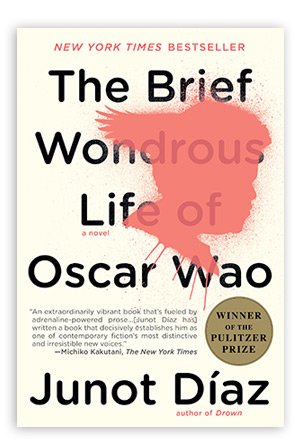
Junot Diaz's covers from Penguin. This is a new 'branding' for his books from his publisher and I like how they match (font, background) so that it becomes uniquely attributed to Diaz as author while also tacking onto a specific element and not being too busy in the front. And particularly I dig Oscar Wao's cover because it maintains the original outline of Oscar's face yet fits in more with the style of the rest of his books.

The Hunger Games series (U.S. covers). I like that even though the hero is a female she's not smacked onto the cover looking perfect and sorrowful. The symbolic nature of the designs illustrates how much the mockingjay pin/symbol plays throughout the series is important and the colors, as you may note, get lighter as the series goes on. From the bleakest of bleak in black, to red which can also mark the blood shed in Catching Fire, to the blue of Mockingjay that is soothing and calm not too bold like a navy blue but more a powder one gives some hope and shows the mockingjay not as pin but as a living bird in flight. Symbolism up the ying/yang! If you take a look at some of the international covers you will see some with a young girl in the woods of the first book or a young man and I think it takes away from the detriment when you can see the characters' faces for this particular book. The elements that signify the change and rebellion of Panem work well with the backgrounds, colors, and metaphors.
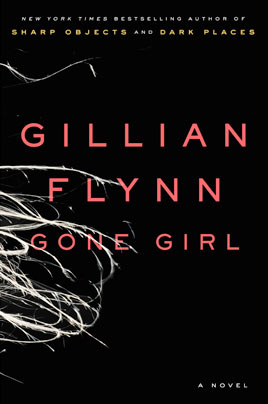
Gone Girl. In a word: creeptastic. The title itself is eerie and leads me to think nothing good, add a cover of a black background and strands of hair leads you to also think "not good." Gillian Flynn's previous books (Sharp Objects & Dark Places) also got a cover redesign to fit in with a kind of theme just like Diaz's publisher did for his. Hers are black backgrounds and again a single element tying into the content of the story and the representation of a dreary world and the people that reside in it.

Tampa (UK cover). Well, considering the content that UK cover is another note on the representation that is subtle yet all the more alluring. The innuendo is evident and works as a wink to the reader of what we can/can't say. Also, the pink! That color shirt and the open button hole hit the aspects of the protagonists unbridled and unashamed desire perfectly. Fantastic.

Lucy Variations. I like the cover because of the simplicity of it but also how the elements and colors work and how, unlike many YA covers, it focuses on what the character lost by showing her hands at the piano. With Lucy Variations the piano is at the heart of Lucy's story and it fits in while standing out from what else is out there for YA books.

Between Shades of Gray (original hardcover, U.S.). The wires, the ice, the one colorful sign of life growing through the snow/ice lends every bit of sorrow and hope to this tragic story. It enhances and symbolizes what Ruta's novel is, which is harrowing but able to find a brightness to it. Love it.
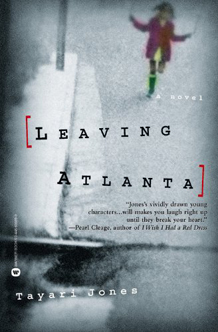
Leaving Atlanta (hardcover). Another cover that portrays the ominousness of Tayari Jones' debut well, especially with the font having a typewriter style which can be seen as dated (which the story is looking back at murders of children in Atlanta in the 1980s) to also reflecting the fact that this was a major news story. The grays and darker tones add to the bleakness of the story but then you have a cute child in a red jacket skipping down the street. This seems like the calm before the storm and definitely helps depict the innocence of children and the danger of the time.
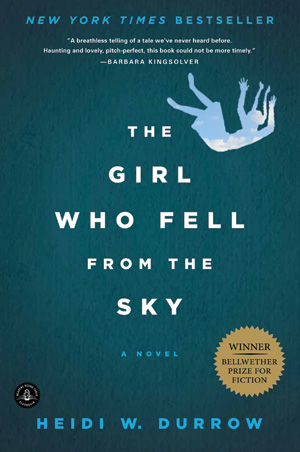
The Girl Who Fell From the Sky. This cover illustrates the content well and I'm a fan of teal in general. What the paperback copy does well is that it also includes the sky as the interior to the image of the girl falling, a nice touch. The book centers on the main characters coming-of-age as a teen being raised with her grandmother after her mother did a pretty brutal and tragic thing to her children. As sole survivor this girl is known as the girl who fell from the sky and survived and it's a hard title to carry as you're trying to come into your own. So the cover and title clearly illustrate the protagonists past and how that may define her future.
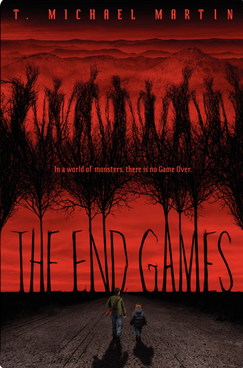
The End Games. When Mike first showed me this cover I was bowled over. The illustrations, the background, the horrible eerie things stretching out of the land noting how the terror can be outside and in your mind along with the red makes it a real standout. And you don't see as many illustrated covers these days. The two brothers, one older protecting the younger heading into the unknown is the epitome of what a good horror story should invoke.
A Word on Readings...
After discussing pros and cons of being an audience member at a reading I wanted to suggest three things to think about when you pursue reading your work to a larger audience.
A reading is a great way to get noticed and to build an audience. Spoken word artists rely heavily on the reception by an audience--it's in the title of "spoken word" artist that their work is crafted to be performed. And while there is material that is meant to be performed such as music and spoken word there's more subtle poetry, non-fiction, and fiction read aloud. My friend Kim and her friend Kia and I recently discussed bad readings we'd been to. Ones where the reader was monotone in the way they spoke, not changing inflection or diction at all for the piece. And when you have dense material this is very, very hard to listen to let alone get excited about. There are also those who tend to drag on and keep talking and talking because they have people there to listen. And when all these things combine it makes for a perfect storm in terms of the listening experience.
I've experienced the powerful and the painful. I've heard authors read large portions of work where only one sentence stuck with me after twenty minutes or more of listening to them. I've heard authors, published and non, ramble on about life coming to open mics with nothing prepared just hoping it'd flow, it didn't. I've also seen spoken word artists so in tune with their craft that they'll have a standing ovation and fiction/non-fiction authors arouse so much passion and sympathy from listeners that they just sold a good dozen or more copies of their books in the time they read.
Now, I'm not saying everything that is read should be humorous or fleeting and not necessarily be deep or have a connection. What I am saying is that a reader (author in this case) should consider their audience or potential and establish readers (those who do read the book). I think sometimes authors choose material that is the most interesting to them, but again that doesn't necessarily translate aloud.
My first experience reading aloud was in junior high and I was reading a portion from The Fear Street series by R. L. Stine. My mistake was that I read too long and without much oomph. When my classmates heard me rustle a page I heard groans in the audience, they were disgruntled at the fact that I kept going and didn't know when to stop. I went on so long that I bumped someone else out of a reading spot. In my sophomore year of high school I had written a poem for Black History Month and read it so stagnantly that no one paid attention to the words, no matter how 'deep' I thought they were in my adolescence.
By college I had learned a bit more, by grad school I was getting better and more animated, and now--while I don't know everything--I feel much more confident when I go to the mic to read my work. Am I nervous? Heck yeah I am! My hands shake the paper I'm holding so that I'm glad when I have a podium to hide my trembling. But because I believe in my work and the brevity and impact of it I know that even if it doesn't get a good response, it'll be over quickly enough.
My conference experiences attest to most of my recent experience in reading material I was confident in. Most if not all writing conferences with workshops as a focus will have an opportunity for participants to read from their work so that we're not only hearing faculty but the potential future of literature.
Material
My first time at VCFA I read a heart-rendering piece from my Collection that was really sad. It got shocked moans from the audience in places because they felt for the husband at the funeral. The piece has changed dramatically since then, but I knew the impact was there.
At Napa I had two minutes, and went a bit over, to reveal a scene about two men talking about infertility and insecurity, a tete a tete between two brothers. I chose the scene that revealed the most tension through dialogue. My workshop mates enjoyed it and Forrest Gander said he liked the opposition I presented in such a short amount of time.
At the Glen I read the last few pages of another story that my workshop mates and Sara Zarr had read. So I already had partial invested interest from people at the conference. The end was a fight scene. I got laughs in places I hadn't expected to and a nice round of applause. The next day at our farewell party several people came up to me and said they remembered my piece because of the power and tension and clear goal of the character in that portion. I picked it because I knew it was short and contained a moment that may resonate for readers and moved quickly, yet ended with heart for an edgy character.
I could've chosen the pieces that sounded pretty and I had been told 'moved' people and such but if the portion wasn't contained or wouldn't draw interest or couldn't succinctly tell a portion in an engaging way I more than likely won't read it out loud because I don't know if it'll hit the mark or if listeners will enjoy it enough to focus on what I'm saying.
Speech
Something else I've learned and gained control in is how I read. Like I said I started off very monotone with no inflection years ago. With my own writing I know the voices and the characters I have lived with for years, sometimes less. So I aim to capture those moments I want to convey. I can read pissed and lower my voice to a manly bravado.
My friend Ennis has done readings for pieces he's published. He's a former actor and really captures the range in the characters and moments. He's been complimented heavily for this and when he tells listeners he was an actor they aren't surprised.
Is it necessary, changing tones? No, but I think it helps to further show your range and understanding. I think going overboard with accents you cannot master may distract the listener rather than intrigue them. So I don't do southern accents for characters that have them, however I do alter tones when necessary and emphasize where necessary and get into the spirit like an actor would a part. These are your characters. This is your narrator. You know them best.
Length
I have to say that length and timing matter. Do practice reading if you have a time limit and the shorter the better at times. Jennifer Egan tends to read the same story, her first, from The Good Squad. I've seen her read a handful of times since it was released and she often reads that story because it does pack a punch, have interaction within it, and is one of the shorter ones in the collection. On top of that she reads it well. She knows Sasha and she does the voices of Sasha versus everyone and captures all the moments in the story so that after reading it yourself hearing her read it sounds completely new. And that's the effect you want to have on listeners.
I've read my flash fiction at conferences, open mics, and residencies and some pieces hit harder than others and required my audience for the few minutes I was in front of them to not have to pay attention for more than a few minutes. I appreciate the five minute limit because it does allow me to focus on a single moment to draw the reader in without going overboard with background and other instances that may not be of interest to listeners in that moment.
So these are my suggestions if you choose to read your work aloud:
1. Make sure the material will resonate with the reader and is conducive to being read aloud. If it's very convoluted and has a lot of twists and turns it may not be right for an audience to hear, especially if many are not used to listening to work.
2. Try to differentiate how you speak if you have dialogue and try to not sound too professional if the text doesn't require it. Junot Diaz writes in a voice that is similar to his own so that when he reads it's not as though he's reaching. Tayari Jones also is very good at capturing her characters when she reads. She knows them and hearing her read Silver Sparrow going from mother to daughter to father was amazing and put me in the moment. Like the writing the oral voice should be your own but reading it in one way every time may not give readers of your work a new experience.
3. Try to keep it short. Yeah, featured artists don't have that worry so much because they get a good amount of time. Usually twenty minutes or so, sometimes longer. But many people are not used to long periods of listening to something that is not accompanied by visuals and/or music. So if you're going to read for awhile make sure it works in that space of time as well, see 1 & 2 above.
I think these three things can help any artist whether it's doing a presentation or reading creatively. It's nice to hear your own voice but give the audience the respect of being entertained by it. It's not so much about you once you're at the mic but about those who graced you with their presence.
#WRITELIKECRAZY Comes to an End, Or Does It?
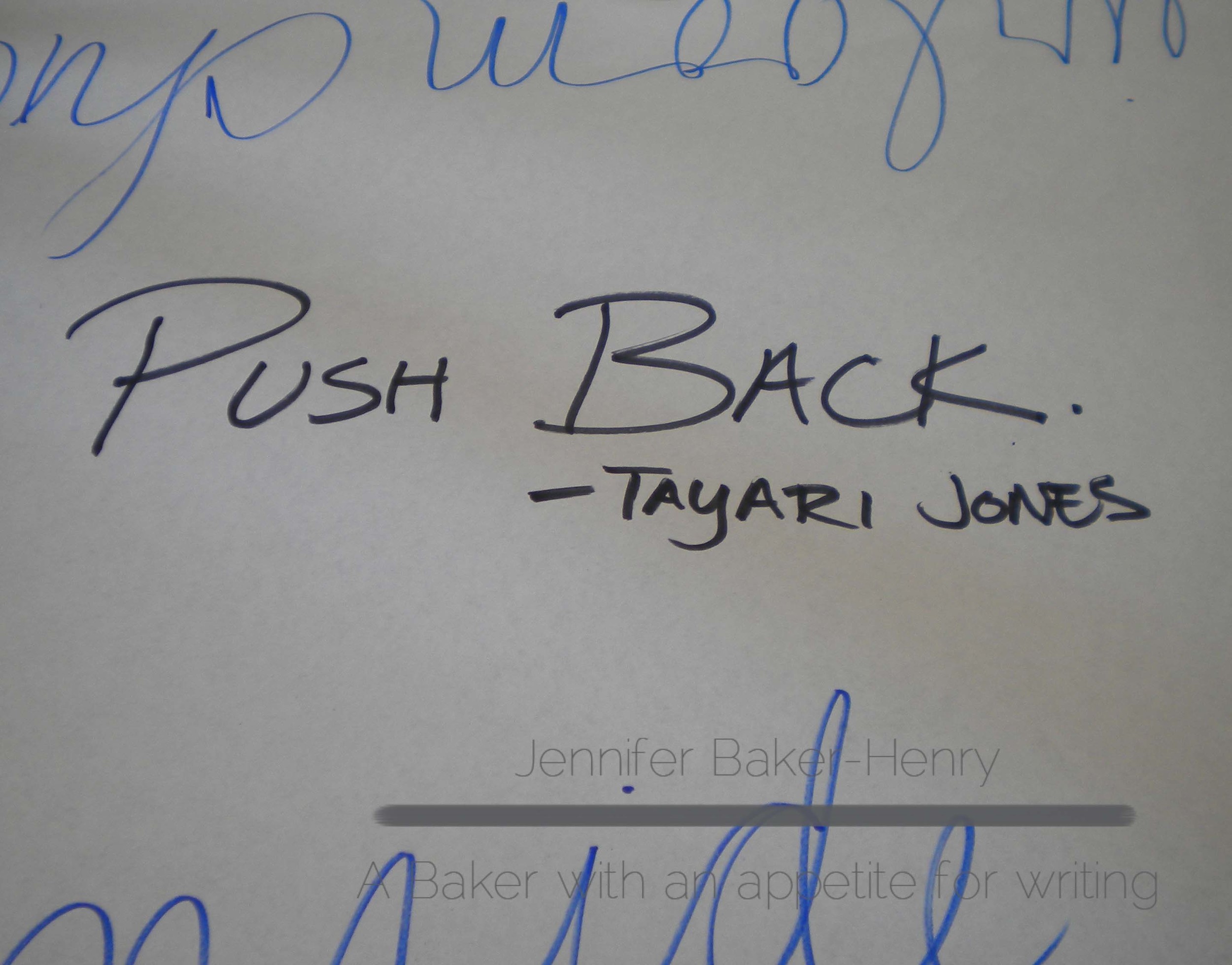
Hey all! Hope you're looking forward to a long(ish) weekend ahead. Well today is the last day in August and that means the call to arms from Tayari Jones for WRITELIKECRAZY also comes to an end.
Tayari suggested in her initial post on WRITELIKECRAZY to make a plan as a writer and honor that process.
As mentioned earlier this month, mine was to write for at least an hour a day, every day. No ifs, ands, buts or conveniently timed naps or Internet searching. It was the most realistic for me in terms of timing that I could do it during my lunch break or on the subway ride(s) to/from work and not feel bad about not having wrote for the day if I at least hit my mark.
For the most part it worked! I admit there were about two days over the month of August that I didn't write at all and then there were another two where I wrote for less than 60 minutes because I was really tired or lethargic or just over writing that day. But 4 out of 31 days is not bad!
My goal included editing or new writing for:
- Residency statements
- Residency portfolio submissions
- Short story collection (part of residency portfolio submissions)
- YA Novel
- Flash/Short fiction (separate from both novel & collection)
- Blog Posts
- Essays/articles
- Planning/outlining for short story collection, YA novel, or new projects percolating in that crazy, never resting mind of mine
And yes I did work a bit or a lot on all of the above.
After all is said and done I thought, "Why have I not done this before?!"
Soon after I had graduated from my MFA program I gave myself a weekly schedule where I'd write for 9 hours a week and split the time over the course of a week. That schedule fell by the wayside after a few months. But an hour a day was a realistic goal that, like Tayari said, I could honor. There were many days I did go over the hour mark, but if I didn't I wouldn't feel bad about it because I did get something done. So if I felt tired when I got home at least I got in my time at work or in the morning. And on a weekend I may have had plans with friends and could easily sneak in an hour before going out, or on my way to see them, and not feel guilty about lounging on my couch to watch Netflix or read for the remainder of the evening. I even got a good amount of blogging drafts in on days I wasn't mentally able (re: ready, willing) to tackle the larger projects.
What WRITELIKECRAZY helped me with was finding what worked for me to be able to continually be writing and actually make progress. I did finish my residency statements and have written, rewritten, and rewritten a story I am submitted for residencies and got feedback leading to (you guessed it!) more rewrites. But again rather than holing up in my apartment for a Saturday and not allowing myself to do anything but writing, leaving cleaning and cooking and meeting/speaking to the outside world by the wayside and forcing me to get a lot done in a set amount of time on a given day, having gotten in about 6 or more hours of writing during the week made weekends less stressful so that all my writing wasn't confined to a day or two days that are my only time off from work.
I hope to extend WRITELIKECRAZY past August, to make an hour of writing a daily plan like exercise. Yeah, I'll slip on days but at least knowing that I'm keeping on track 95% of the time will help me actually get things done and not necessarily be a hermit for the remainder of the years to get things done. Inspiration hits when it hits and if anything I'm tackling it one day at a time.
Hope others who have also participated in WRITELIKECRAZY have done well and realized what helps you in your writing process. And perhaps extend it to make your process more solidified in your daily life as well!
Napa Valley & Santa Fe: Two Conferences, Two Perspectives
This year I did not one but two writing conferences back-to-back on the west coast. This called for lots of heat and water and immersing myself in the arts. I was glad to do so, but after a couple weeks did miss home, sort of.
As noted and noted again I am officially back from my self-dubbed "writing conference tour"! (echo, echo, echo) I applied to, and was happy to get scholarships, two conferences to be in classes with two writers I have admired for years.
My first stop was the Napa Valley Writers' Conference (NVWC). I'll gloss over my frustrating travels in LGA, almost missing my connecting flight, and my new good buddy Barbara and I suffering in 100+ degree heat in California traffic as we crawled from Sacramento to St. Helena. Meeting my workshop mates and workshop leader, Tayari Jones, more than made up for it. As did the wine! (One of my faves of the week was Stein Family Wines Rosato.)
Workshop groups met for a bit to get a sense of what we wanted from the week and why we were there. Before the conference began Tayari was very hands-on in regards to getting a better sense of our work, requesting statements of intents on what we were hoping came through in our pieces and what the overall story was about. This proved to be incredibly helpful when discussing the work so that we could lead into whether or not the bigger picture was being captured.
From the start I felt a very positive vibe from the group and as the remaining members arrived over the next couple days our camaraderie was solidified.
Tayari is a great mentor. What stood out to all of us was her problem-solving skills. Sometimes you're in workshop and while what doesn't work is pointed out it's up to the writer to figure out how to fix it. Not a bad thing, however coming up with resolutions can be more time consuming for some than others. With Tayari, bam, you get insight and fixes.
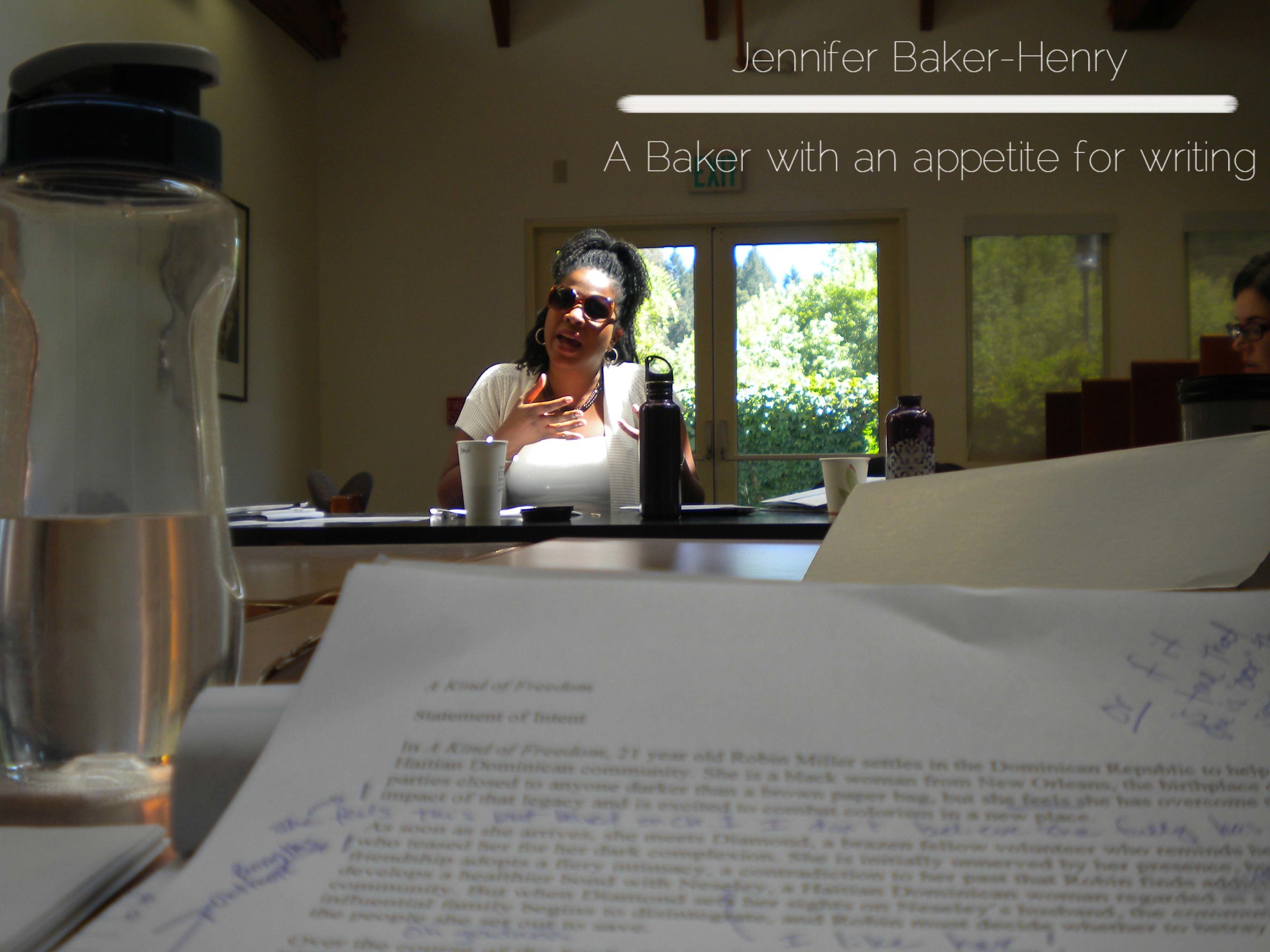
Amongst ourselves we all agreed, "Damn, Tayari's good."
Tayari had outlined whose work we'd be discussing on what day and had a whole strategy on why certain pieces had been grouped. From the get-go we knew she cared. This was further solidified in the way she spoke at length about our pieces and in the time she took to make comments (via colored pen and sticky notes) and in the one-on-one sessions we had with her the day after being workshopped. Being complimented by an author you admire is one of the highest forms of praise and also one of the best motivators you can get and I think, no I know, we're all flying high after this.
Fast forward to the events. Poetry lectures every morning, a fiction lecture every afternoon post-lunch, and a wine tasting (hey, it is Napa Valley, well St. Helena, after all) followed by a reading.

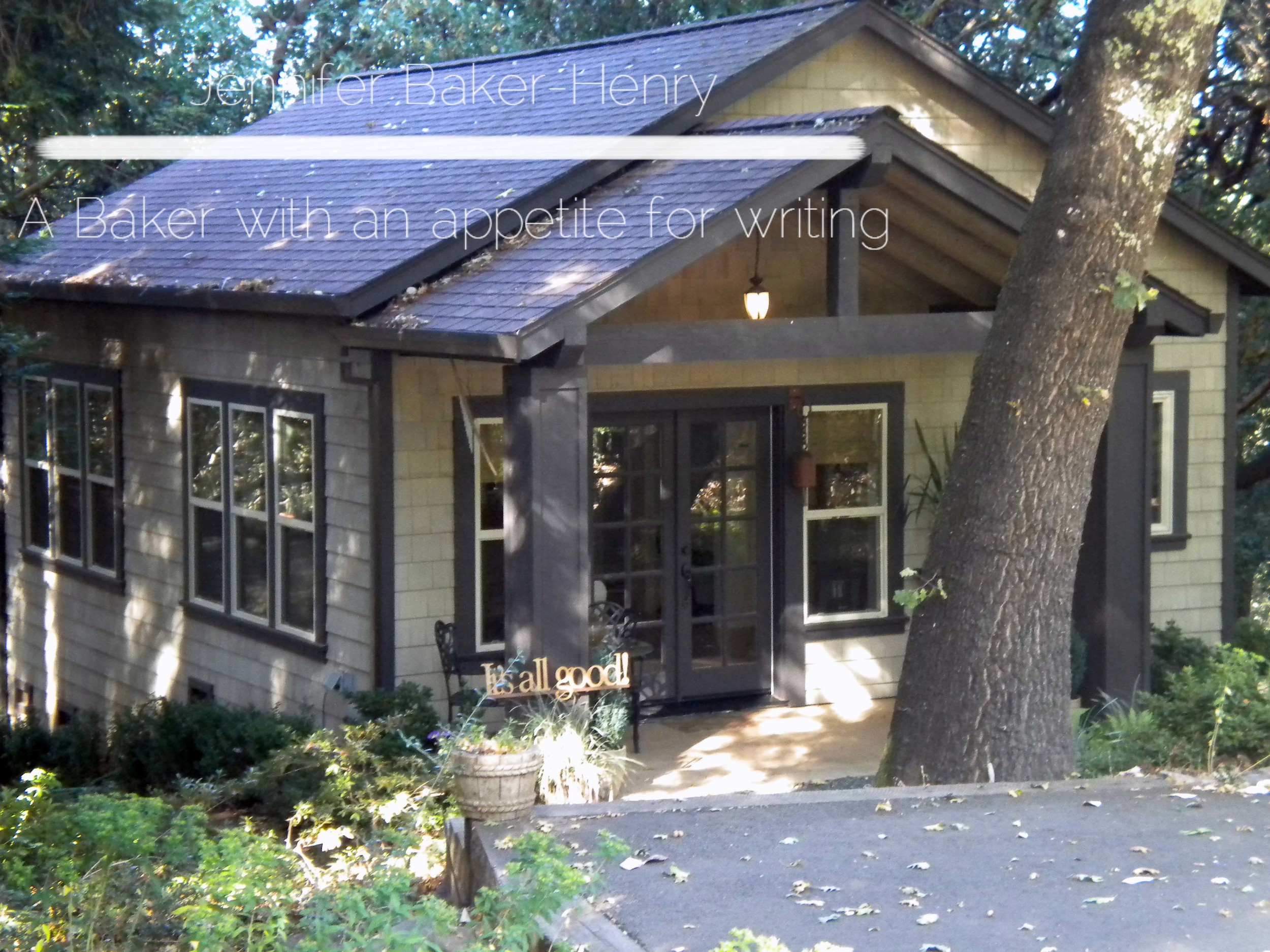
I was very lucky to receive community housing and stayed in a lovely cottage not too far from the Upper Valley Napa Valley College campus. And it was even luckier that my ride to the conference happened to be staying half a mile away down the road to pick me up every morning. (Thanks again, Barbara!)
Food provided was breakfast (buffet style) and lunch (portion controlled) by the Culinary Institute of America in St. Helena. Breakfast included hard-boiled eggs (from chickens on campus), steel cut oatmeal and fixings, fresh juice, poached fruit, fresh fruit with basil, and homemade pastries which included croissants (dense and buttery), bear claws (with almond paste inside), and savory bread pudding (with and without bacon). For the most part all meals were vegetarian fare, but at the picnic on the last night there was meat! Meat in various and glorious forms such as lamb meatballs, beef strips, roasted duck, and chicken cutlet portions all so delectable it melted into your mouth! And, of course, dessert was at every lunch and dinner. Limoncello pie! Freshly made ice cream with caramel sauce! Brownies! Caramel chocolate bars! Yes, yes, and yes!
I had a great time, a great class, and a great mentor. And I'd like to add that poet faculty such as Forrest Gander and Brenda Hillman were super nice, supportive of all attendees, and very gracious and funny. They were at every event. Forrest even came up to me after the participant reading and said he enjoyed the scene I read from my Collection. A Pulitzer nominee said he liked my writing. Well, knock me over with a feather...
The weather was hot but pleasant and often there was a breeze. It did cool down in the evenings so a sweater/jacket was necessary. The wineries were gorgeous, the people of Napa and St. Helena pleasant, and the surroundings were lovely. My workshop mates and I also became hardcore fans of Gott's Roadside as a dinner option. Went twice (back-to-back days). No regrets.
After a near miss in terms of catching my flight to Albuquerque (for once I am thankful for plane delays) I had a bit of a segue way in Albuquerque before heading to my next conference.
Cue Segue way:
Native American Food Shacks (Pueblo Jemez)!

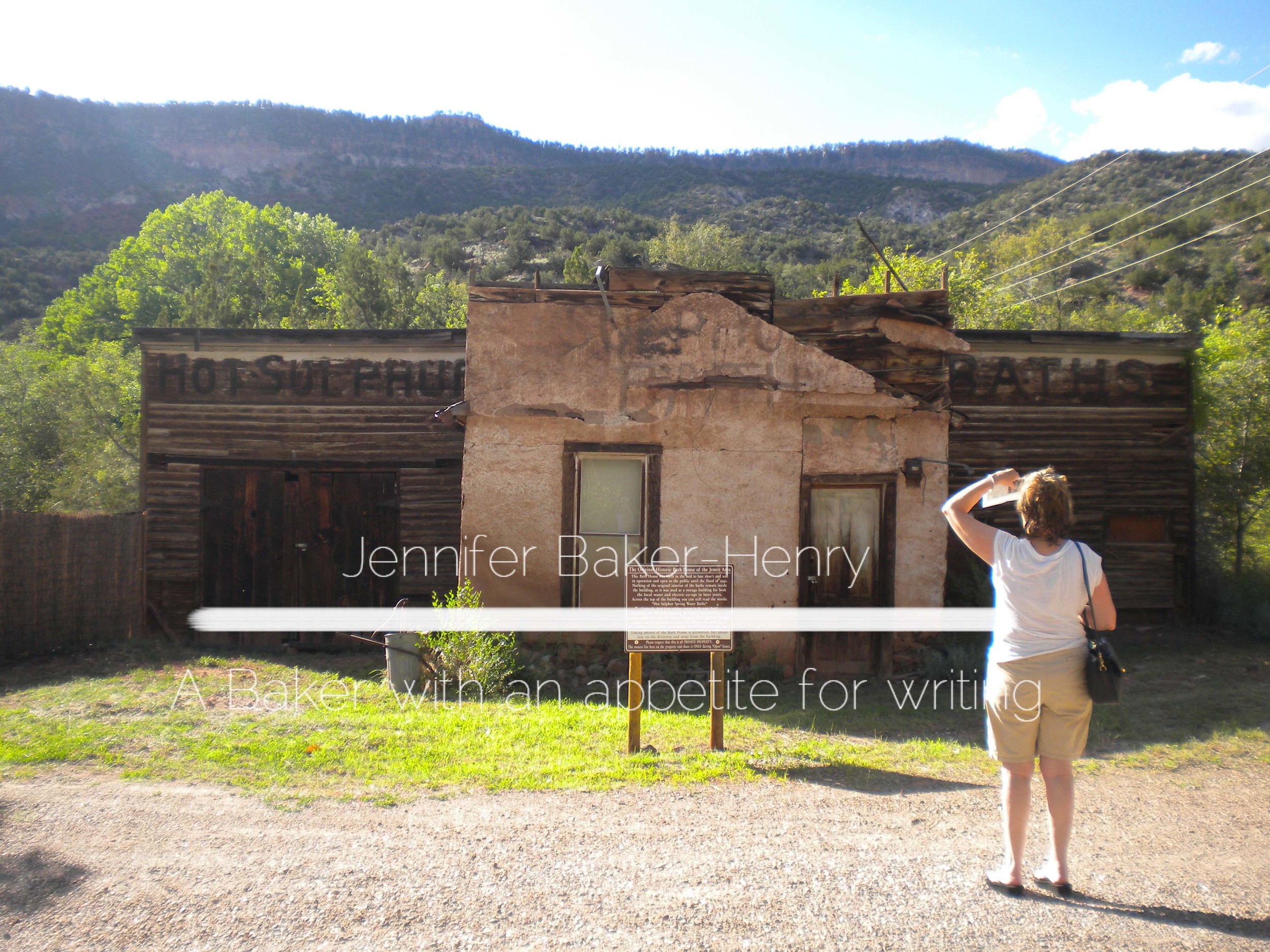
Hot Springs (Pueblo Jemez)!
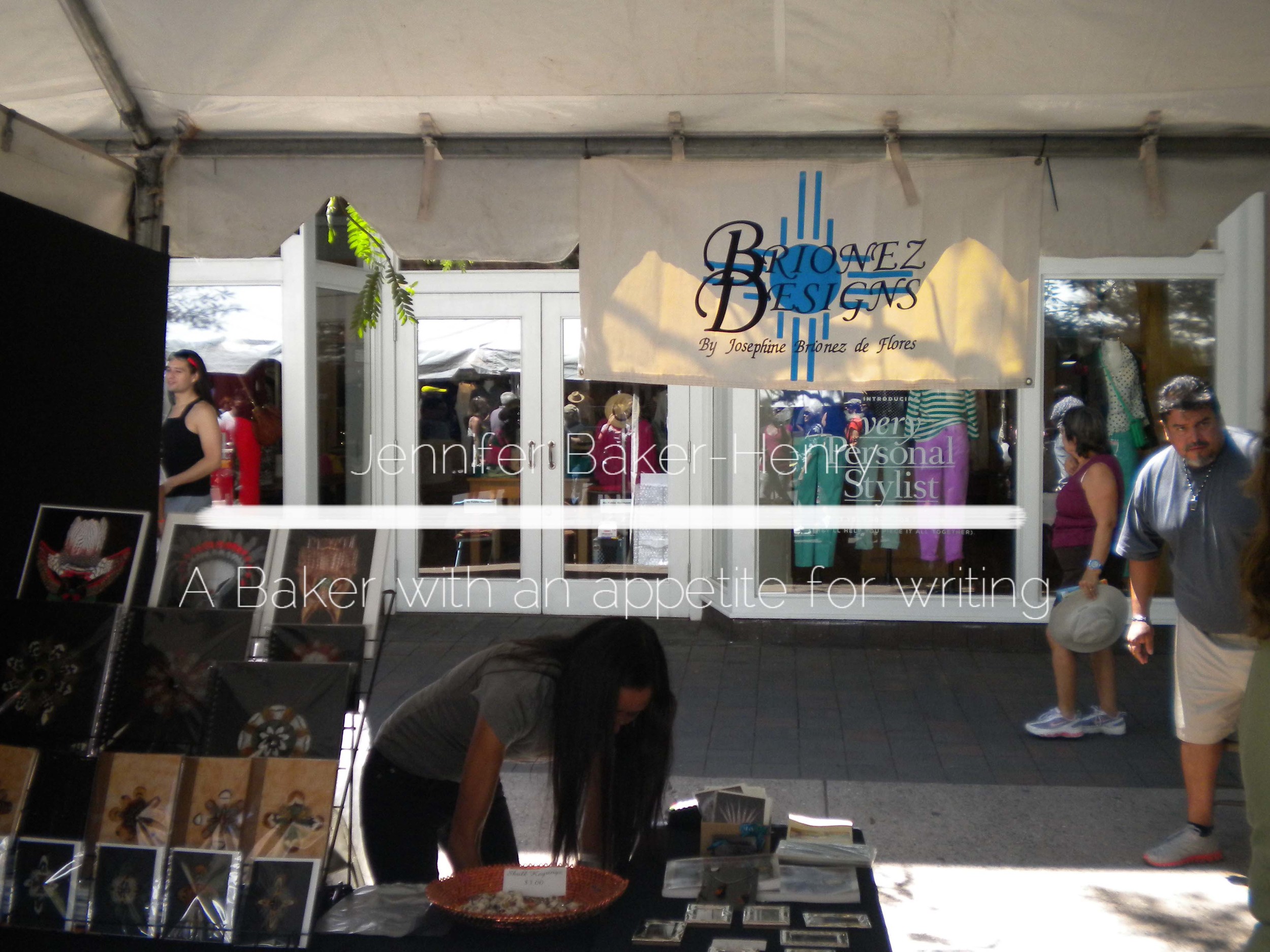
Spanish Market with Local Artists (Santa Fe)!
And then we make our way to St. John's College for the Glen Workshop West (aka The Glen). After walking around Downtown Santa Fe I was greeted by friendly volunteers but man was I hot! Not humid, just hot! The sun is In. Your. Face. in Santa Fe. Literally, it winked at me.
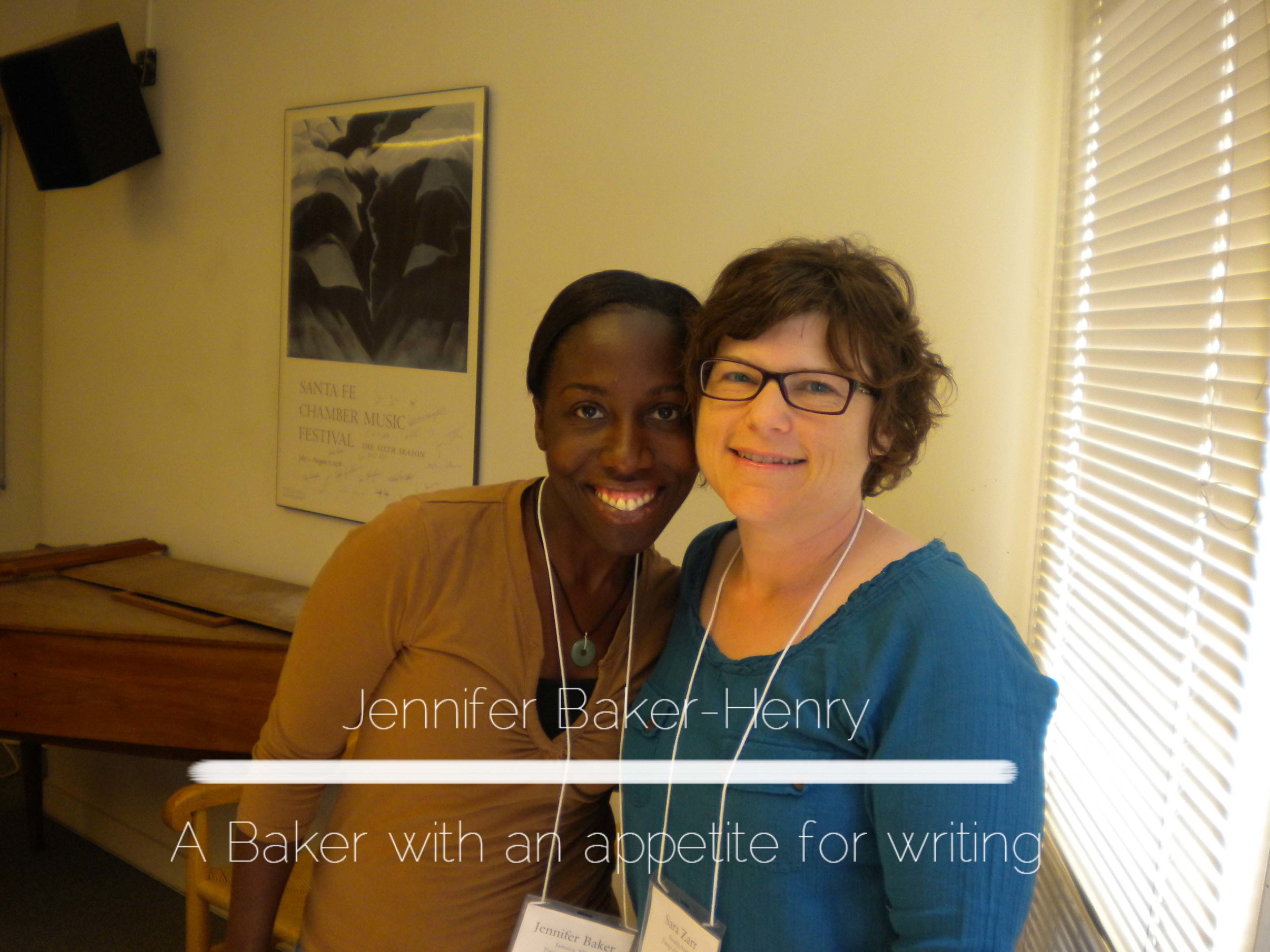
As I headed up for registration I saw my instructor, Sara Zarr. And you know what? She recognized me! And you know what else? She hugged me straightaway! I almost begged off, embarrassed I was sweaty and she said not to worry. How cool is she?! I also met my workshop mate T. Michael Martin (expect his book The End Games next May). I heard some of it...awesome.
So after getting my packet and such I got some help from Greg's (Image Journal founder's) son Benedict (Ben). Super nice guy. Very helpful and seeking to pursue sculpture. Go Ben!
Attendees were warned, on more than one occasion, and I was warned by those from desert areas that I would need to adjust to the elevation. No joke. Ben and I were huffing our way to my dorm, which wasn't even that far in all honesty. But the high elevation (over 7,000 feet) and the thinning air made it a challenge for us low-landers.
Going from a cottage to a dorm is an adjustment, but I liked the size of my room and the fact that we were provided towels and bedding and such. I was out of the sun but it was warm. My roommate Raina was super nice and often not around so I had the space to myself often and where I was off at events in Napa, I got to utilize downtime in Santa Fe and get writing/reading done on a daily basis.
In Santa Fe water became a second appendage for those of us around campus.
"Where you going?"
"Bathroom."
"You really need that water bottle, it's down the hall?"
(Clutches water bottle/kleen canteen) "Never know."

Three meals (with vegan/vegetarian options) were provided on campus in the cafeteria. The Glen participants also shared time and space with visiting MFA students. Our schedule was thus: first breakfast, three hour workshops, then lunch, then break, an afternoon reading/lecture, dinner, then an evening reading/lecture, worship (where Scott Cairns talked about how one can mix their faith and their art), and then on a few days the open mic (prose, poetry, song, and visual) for participants. On the first day was a wine & snacks party and the last evening a wine & snacks and dance party!
Yes, I did say worship services. The Glen is a workshop organized by Image Journal and one of their goals is that "[T]hrough a commitment to artistic excellence and religious truth, Image has taken its place on the 'public square' and is poised to make a lasting impact on the future of our national culture." For those who are non-religious or agnostic, like myself, I want to convey that The Glen is not a workshop that centers around religion. It's about finding a balance in faith and art. And if you do not feel especially close to a particular faith do not feel like you'll be judged or preached to. It's a very comfortable environment where everyone listens and respects one another and for me I became even more intrigued by the mixing of faith and how everyone uses it to push their work. I even found in myself that I do subscribe to a faith of being good to my fellow man and woman and wanting to create the most honest portrayal of culture in my art.

Sara had been in touch with us prior to The Glen with an outline of what to expect and just to say "hello!" On the first day we relaxed, got to know each other, and did writing exercises. After that she scheduled work with groupings to talk about some things but also in what may work with each other. It was a relaxed style where hand-written critiques weren't necessary but a discussion always keyed up with someone saying "I loved this..." and others echoing that statement along with support on how to make certain aspects stronger and resonate more with the reader, while also helping the writer to feel more confident about pursuing their work and honing in on what the heart of the story is.
Sara was very generous with her time and even spoke with me afterwards about my story and my overall concerns with balancing personal changes in my life with focusing on my art. I can't thank her enough for the time she gave while at The Glen and the interest she showed. And have to extend another thanks to my workshop mates who liked Calvin and Kayla's relationship and gave me more to consider in revisions. Thanks y'all!
Both NVWC and The Glen offered something different but incredibly helpful and introspective as I shared different pieces from my Collection. In Napa people felt for the pain of a woman dealing with a miscarriage who's uncertain about where her life is going. One of the best pieces of advice I got from Tayari Jones on how to fix this in the revision phase was to "add some happiness" into her life so that the pain would pack a harder punch.
In Santa Fe I shared a portion of the life of an angry teenage boy whose love for his little sister trumps all but even he messes that up. His is a story about the inability to forgive and forgiveness and chaos and everyone in Sara Zarr's workshop got that. From Sara I got a great idea on how to tie up loose ends so that the reader will still stay with the main character even when he can be dislikable.
For me, it's been helpful to know that each time I show a piece from my Collection, flaws and all, the characters still come through and the readers I meet--strangers and artists around North America--become part of my cheering squad. So, yeah, the stories have flaws but the heart is there and that's what I needed to know to keep going. Two weeks away and I come back filled with even more gusto.